
WHITE PAPER
Commoditizing AI for Daily Airport Maintenance, Operations & Security
How smartphone-based AI transforms every airport staff member, and every passenger, into a classified, documented, auto-routed facility sensor
87+
use cases identified
0
require dedicated hardware
96%
of passengers never formally report issues
$3.87B
airport management software market
INTRODUCTION
The Tier 2 AI Opportunity at Airports
Airports have invested heavily in Tier 1 AI: LiDAR sensors ($200K–$4.6M per installation), dedicated avian radar, automated FOD detection systems, and turnaround management platforms. These are mission-critical, life-safety applications that justify capital-intensive hardware. Tampa International Airport’s 7-year Sotereon.AI partnership is a model of this approach.
But beneath the Tier 1 investments lies a vast, unaddressed layer of daily operational challenges. A broken soap dispenser. A cracked parking garage beam. A flickering light in Concourse E at 2 AM. A hurricane damage inventory across 3,300 acres. These are Tier 2 problems: not life-threatening, but collectively responsible for passenger satisfaction scores, regulatory compliance, maintenance costs, and staff productivity. They don’t need LiDAR. They need AI on the devices people already carry: smartphones and existing CCTV cameras.
After researching every airport feedback tool, every CMMS platform, and every crowdsourced reporting system, one conclusion is clear: no commercial product on the market today uses AI computer vision to automatically classify a facility issue from a smartphone photo. Every existing tool requires users to manually select categories from dropdown menus, tap smiley faces, or type descriptions. Sensfix ReportAI is the first mover in this gap.
| System | Emergency Cost | Planned Cost | Cost Ratio |
|---|---|---|---|
| Jet Bridge | $85K–$340K per failure | ~$6K planned PM cycle | 14–55× |
| Baggage Handling | $100K+/hour downtime | Standard PM | Massive |
| Escalator (step-chain) | $25K–$60K repair | PM reduces 60–75% | 5–10× |
| HVAC Chiller | $50K–$150K emergency | 22–28% cost reduction | 3–9× |
| General (any system) | 3–5× planned cost | Baseline | 3–5× |
96%
of passengers never formally report issues. For every 1 reported issue, 26 others had the same issue.
3–5×
Emergency repairs cost 3–5× more than planned maintenance. For HVAC: 3–9×. For jet bridges: 14–55×.
21 min
Average time to receive, classify, and dispatch a maintenance issue manually. With AI: seconds.

Passenger-Initiated: Turning 25.7 Million Annual Travelers into Facility Sensors
96% of passengers who encounter a facility problem never report it. For every issue reported, 26 others experienced the same issue silently. Passengers are transient, rushed, and have no access to airport maintenance tools. ReportAI changes this: scan a QR code, point the phone camera, and AI does the rest.
“For every one issue reported, 26 other passengers encountered the same problem silently.”
— ACI / Essity Research
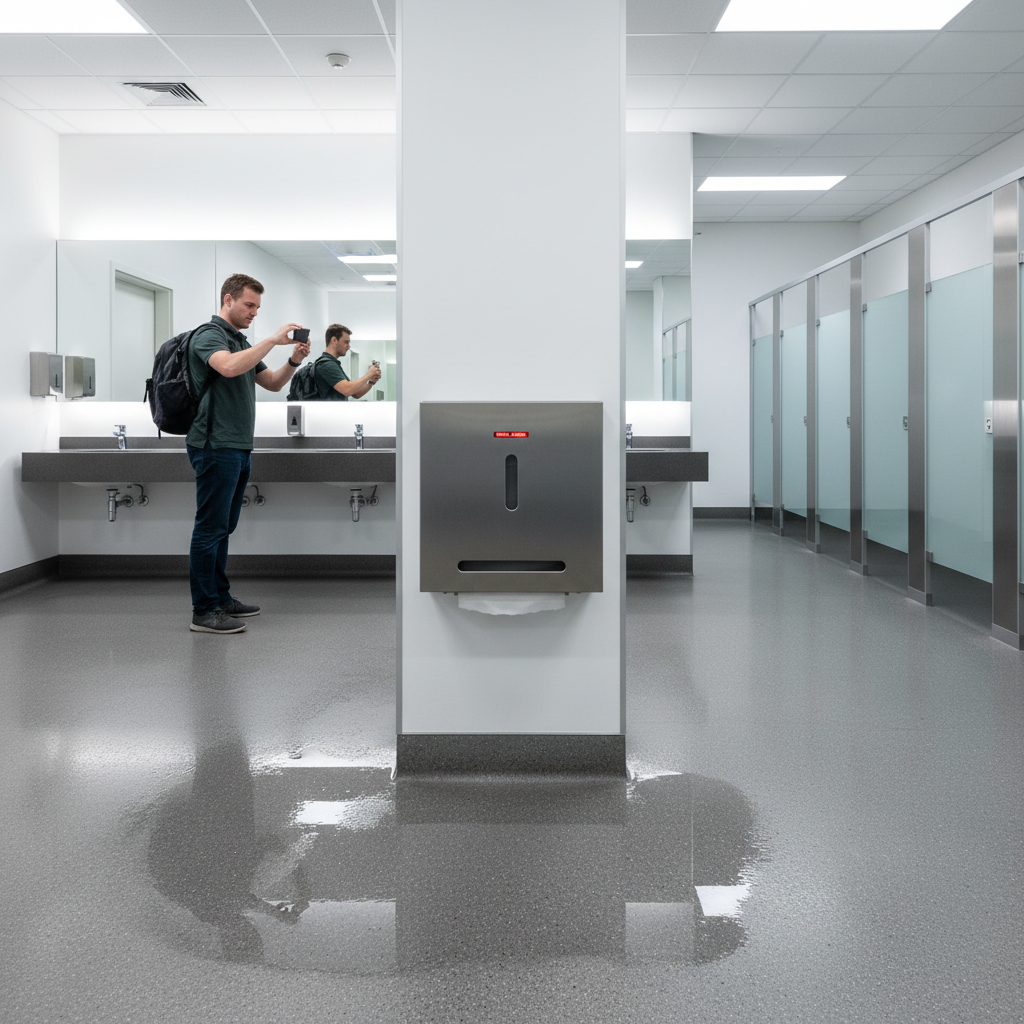
Restroom Issue Reporting
THE PROBLEM
Restroom cleanliness accounts for over 50% of terminal cleanliness perception. Restrooms generate 45% of all facility issues, more than the next six areas combined. 70% of cleaners regularly find dispensers empty. Yet passengers have no way to report specific issues in real-time.
SENSFIX SOLUTION
Passenger scans QR code in restroom stall. ReportAI camera opens. Photo of issue. AI classifies: empty dispenser (type), wet floor, broken fixture (faucet/lock/flush), cleanliness concern (severity 1-5). Auto-routes to custodial shift supervisor with classified ticket.
BENCHMARK
1% satisfaction increase = 1.5% non-aeronautical revenue growth
Compliance: ACI ASQ standards
Who Reports: Passenger
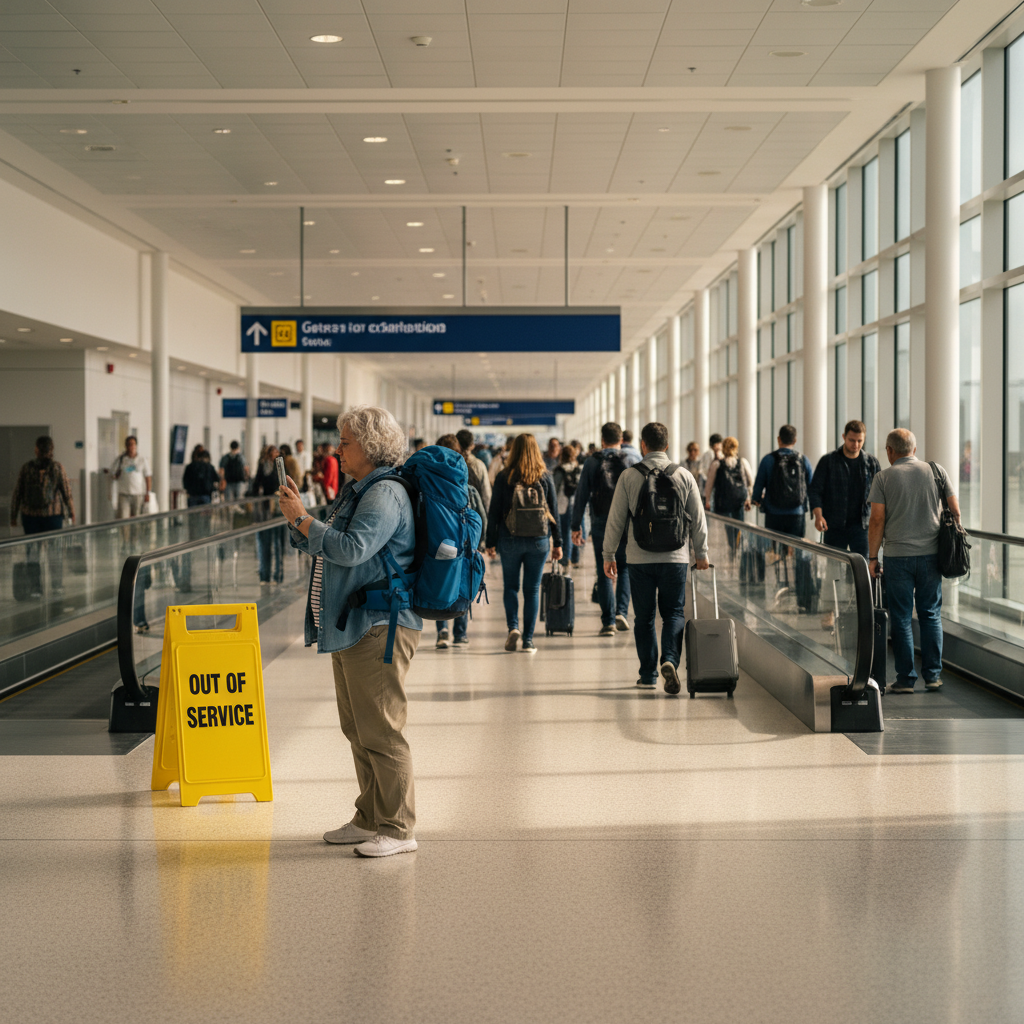
Broken Escalator / Elevator / Moving Walkway
THE PROBLEM
Denver International has 321 conveyances, many 25+ years old. Passengers report seeing broken units '90% of the time.' Miami had ~50 of ~600 units non-functional at one point. 56% of reported escalator accidents in Los Angeles occurred at LAX. Emergency step-chain failure repair costs $25,000–$60,000.
SENSFIX SOLUTION
Passenger photographs the broken equipment. AI classifies: equipment type (escalator/elevator/walkway), visible defect (missing step, debris, handrail damage, error display), location. Maintenance dispatched immediately with photo evidence.
BENCHMARK
Structured PM programs: 60-75% fewer emergency shutdowns
Compliance: ASME A17.1, ADA Title III
Who Reports: Passenger
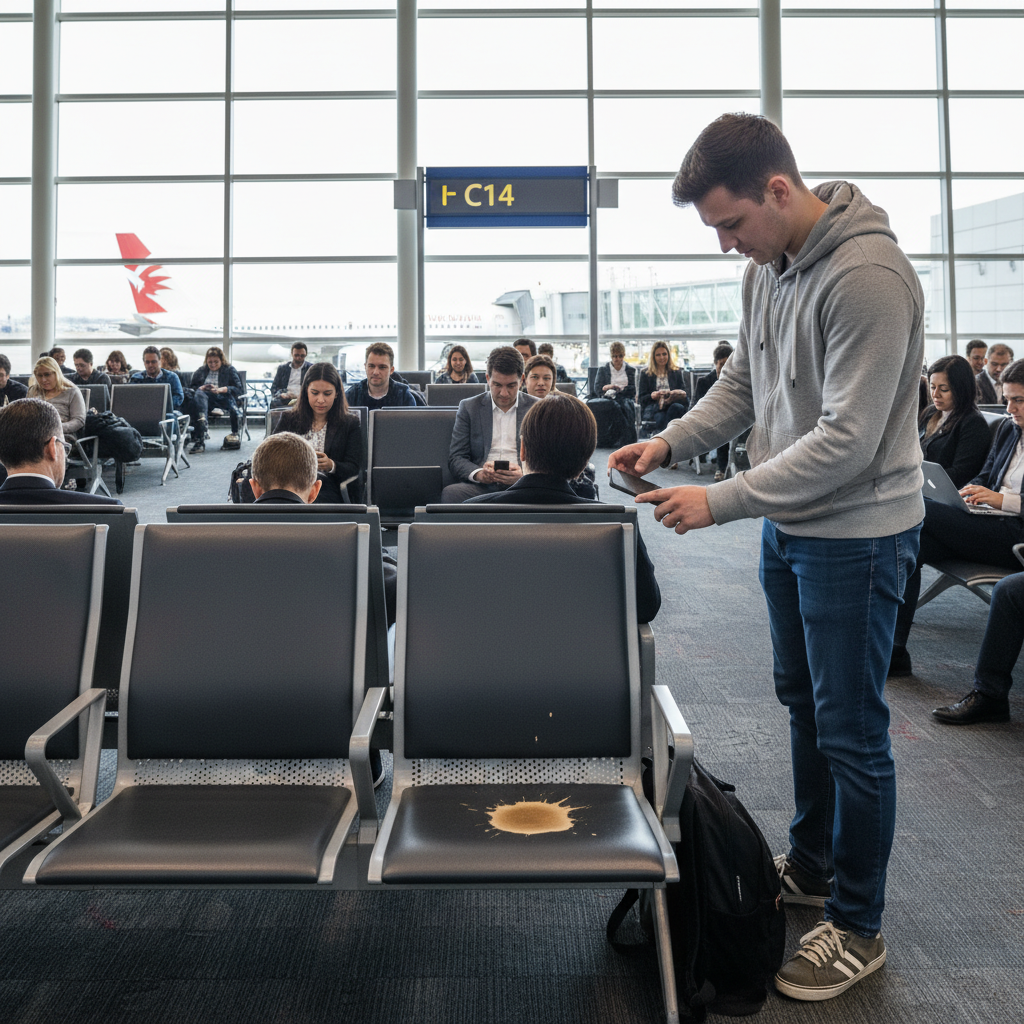
Damaged Seating and Charging Stations
THE PROBLEM
Gate area seating endures millions of passenger contacts annually. Broken armrests, torn upholstery, loose bolts, and non-functional charging stations degrade the passenger experience. J.D. Power data shows passengers who rate the experience 'perfect' spend $16.54 more per visit than those rating it 'just OK.'
SENSFIX SOLUTION
Passenger photographs damaged seat or non-functional charging port. AI classifies: damage type (broken armrest, torn fabric, loose bolt, electrical failure), affected asset, severity. Work order created with specific repair category.
BENCHMARK
'Perfect' experience passengers spend $42.39 vs $25.85 for 'OK'; $16.54 more
Compliance: OSHA 1910.22
Who Reports: Passenger
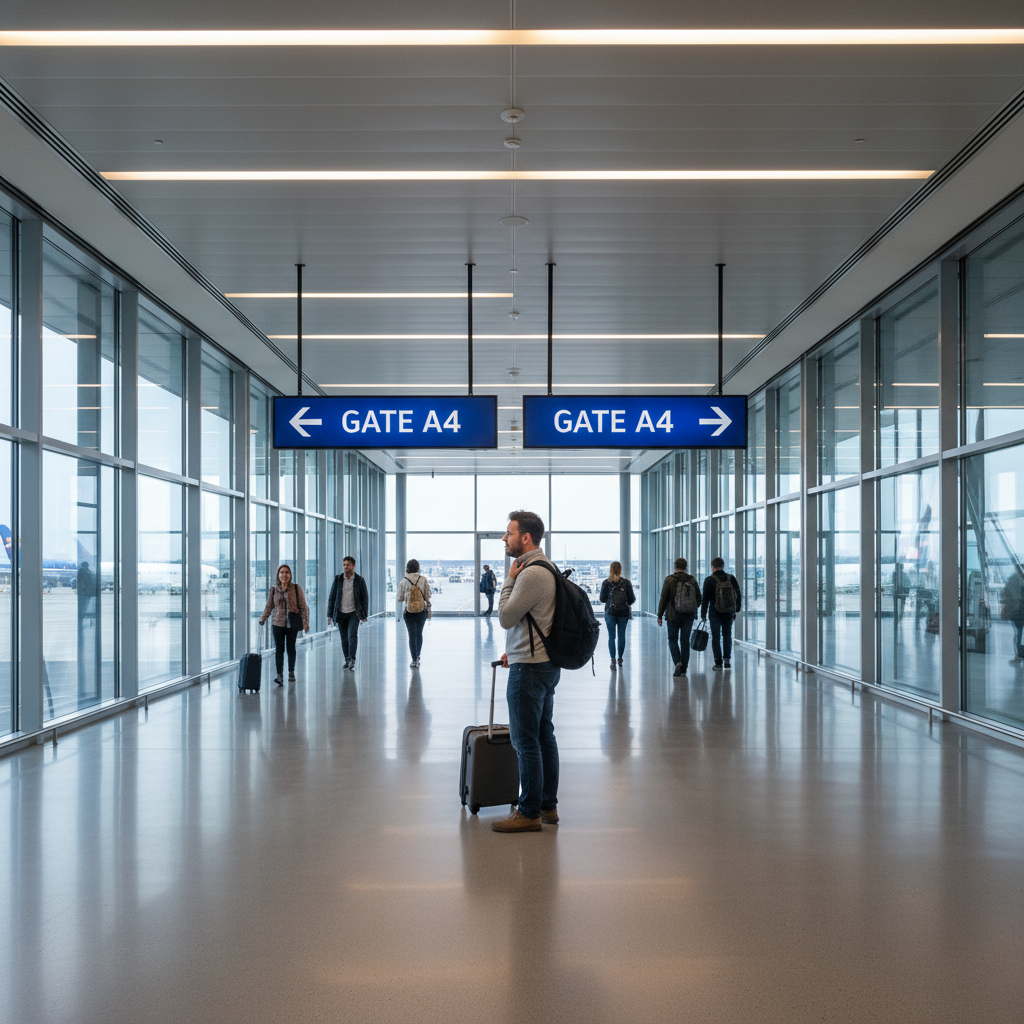
Broken, Missing, or Confusing Signage
THE PROBLEM
Poor wayfinding is a top-10 passenger issue at airports globally. Missing gate signs, contradictory directional arrows, and damaged regulatory signage cause passenger confusion, missed connections, and ADA compliance issues. Older terminals with multiple expansion phases are particularly vulnerable.
SENSFIX SOLUTION
Passenger photographs confusing or damaged sign. AI classifies: sign type (wayfinding, gate, regulatory, ADA), damage type (missing, obscured, contradictory, damaged), location. Operations team receives classified notification with exact location.
BENCHMARK
Wayfinding issues contribute to 12-15% of passenger reported issues at expanded terminals
Compliance: ADA, FAA Part 139
Who Reports: Passenger
Climate Control Failures
THE PROBLEM
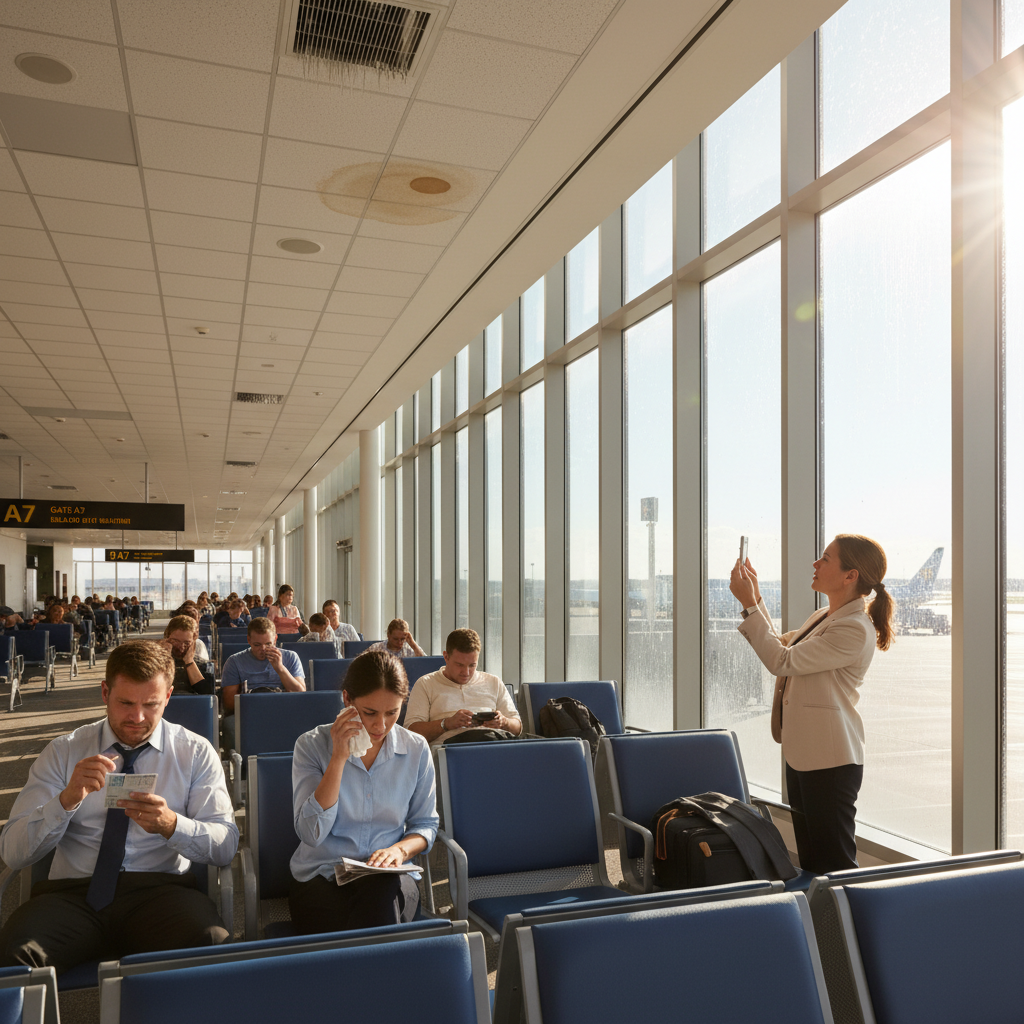
Temperature extremes in waiting areas drive passenger dissatisfaction. Visible evidence includes condensation on windows, icing on vents, mold growth near HVAC equipment. HVAC chiller emergency overhauls cost $50,000–$150,000.
SENSFIX SOLUTION
Passenger photographs visible evidence (condensation, icing, mold, pooling water near vents). AI classifies: condition type, severity, likely HVAC system involved. Maintenance alerted before the discomfort becomes a reported issue on social media.
BENCHMARK
Reactive HVAC maintenance costs 3-9× more than planned work
Compliance: ASHRAE 62.1, OSHA
Who Reports: Passenger
Accessibility Barrier Reporting
THE PROBLEM
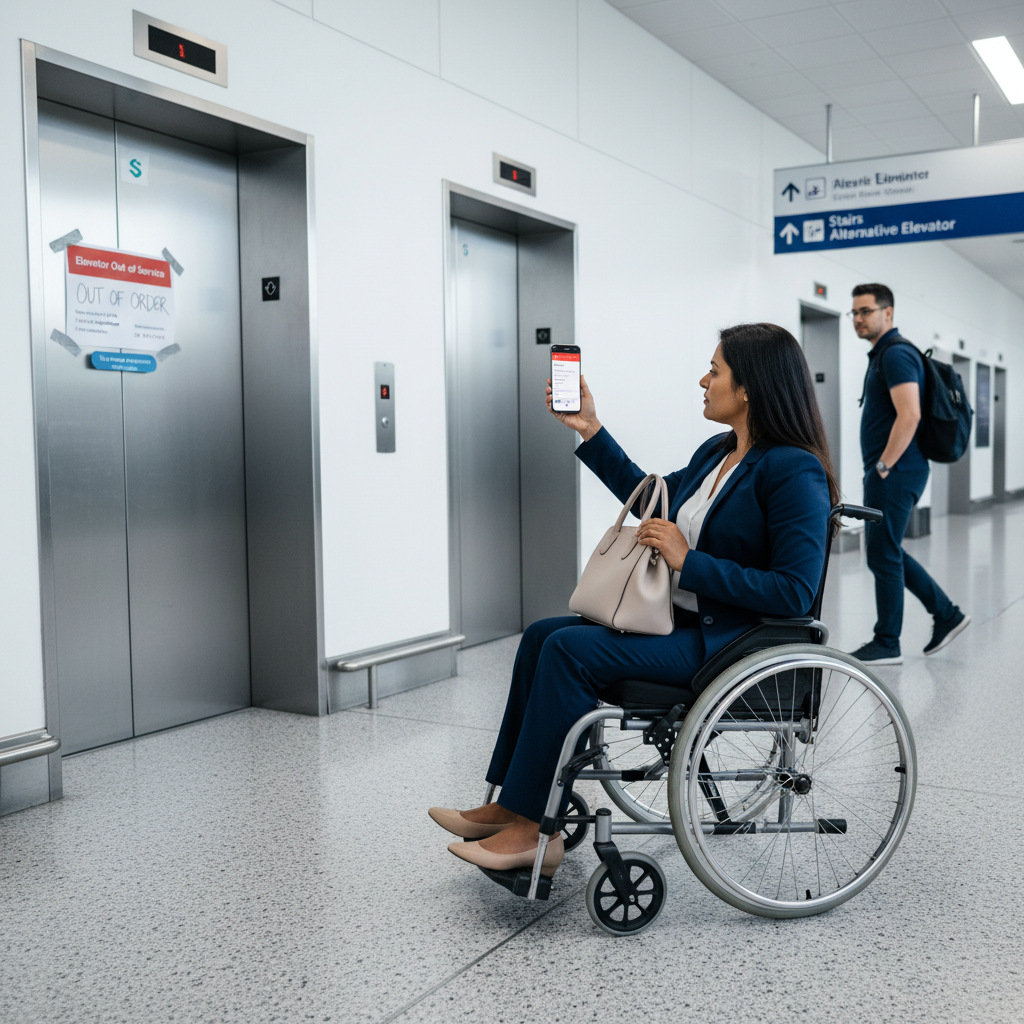
An elevator outage at an airport is an ADA Title III violation. 54% of travelers contend with some physical or cognitive challenge affecting their facility experience. Blocked ramps, broken automatic door openers, and inaccessible restrooms create legal exposure ($75,000 first violation, $150,000 subsequent) and exclude a significant passenger population.
SENSFIX SOLUTION
Passenger or companion photographs accessibility barrier. AI classifies: barrier type (elevator outage, blocked ramp, broken door opener, inaccessible path), ADA implication level. Escalated as priority maintenance with regulatory flag.
BENCHMARK
ADA penalties: $75K first violation, $150K subsequent
Compliance: ADA Title III, OSHA
Who Reports: Passenger
Maintenance Technicians: AI-Powered Documentation for Every Inspection
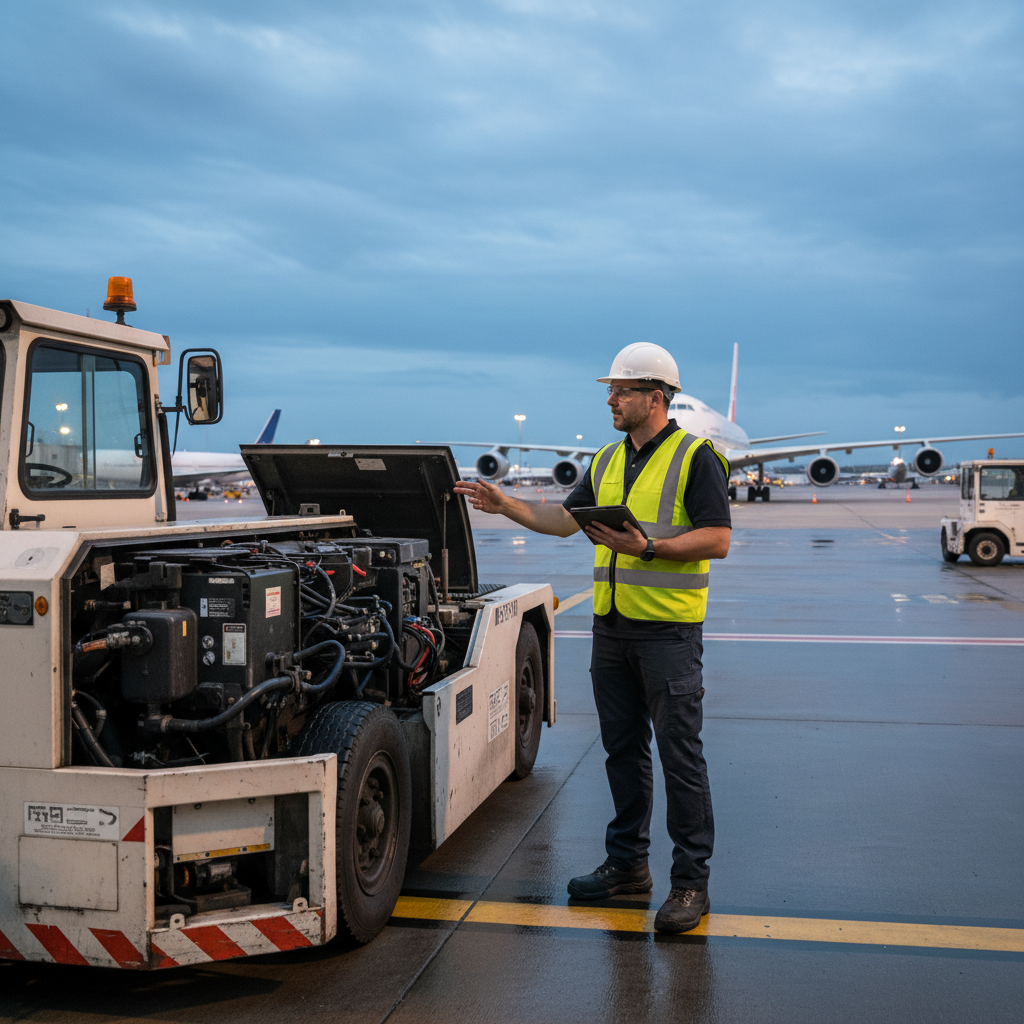
Airport maintenance technicians perform daily, weekly, monthly, quarterly, and annual inspections across massive asset bases. A small airport manages 3,000 light fixtures, 150,000 sq ft of ceiling tiles, and 9 miles of security fencing. These inspections are documented on paper or in legacy CMMS systems with manual classification. AI-powered photo documentation creates audit-ready, consistent, classified records.
Jet Bridge Condition Documentation
THE PROBLEM
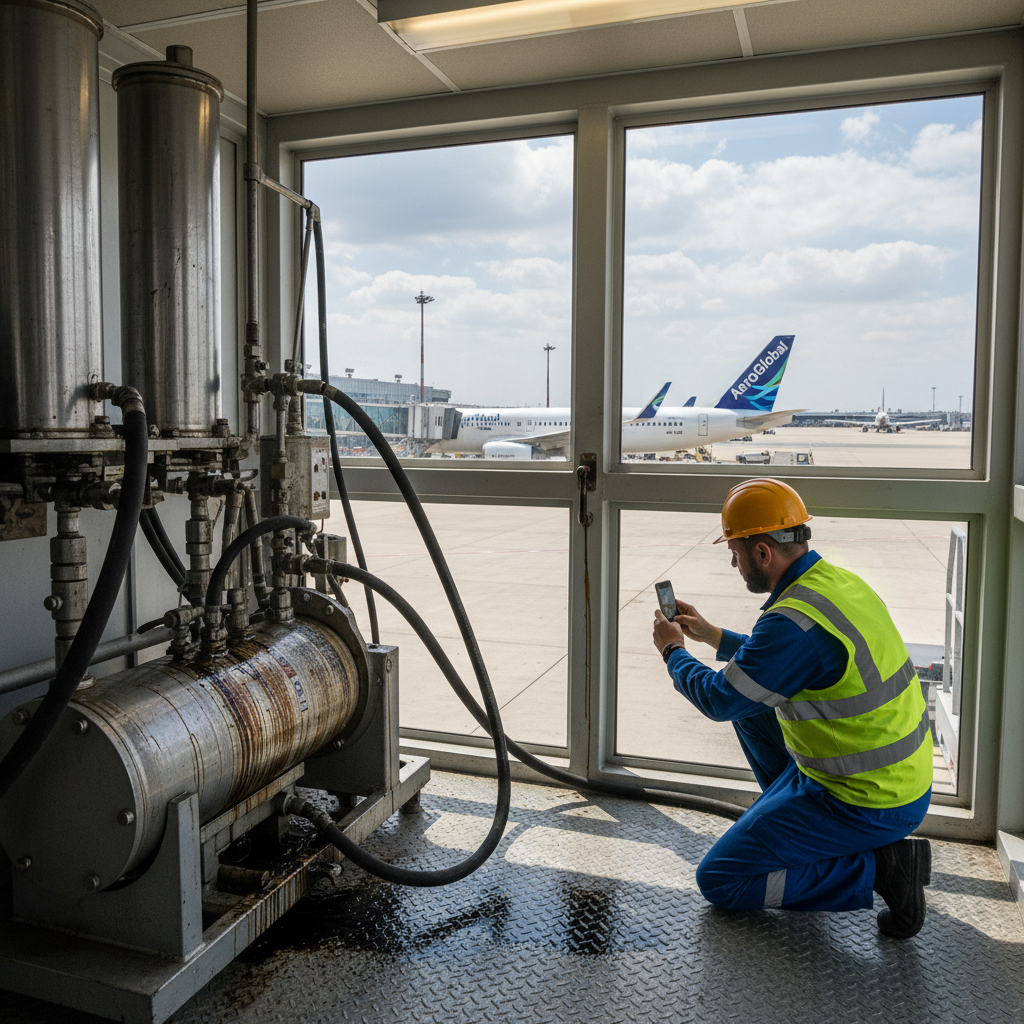
New jet bridges cost $450,000–$475,000 installed. CBS News investigations revealed widespread deferred maintenance: missing flooring causing injuries, cracked glass, hydraulic leaks, corrosion on bridges up to 30 years old. A malfunctioning bridge can escalate into safety incidents, passenger injuries, or gate shutdowns. Gate delays cost airlines $74–$150 per minute.
SENSFIX SOLUTION
Technician photographs hydraulic systems, floor surfaces, glass panels, cab corrosion, wheel/tire condition. AI classifies: defect type, component, severity per NFPA 415. Creates documented inspection record with trend tracking across inspection cycles.
BENCHMARK
Jet bridge failure: $85K-$340K per event vs $6K planned PM cycle
Compliance: FAA AC 150/5220-21C, NFPA 415, OSHA
Who Reports: Maintenance Technician
“Flooring missing... cracked glass... hydraulic leaks... corrosion on bridges up to 30 years old.”
— CBS News Investigation
Fire Extinguisher and Safety Equipment Compliance
THE PROBLEM
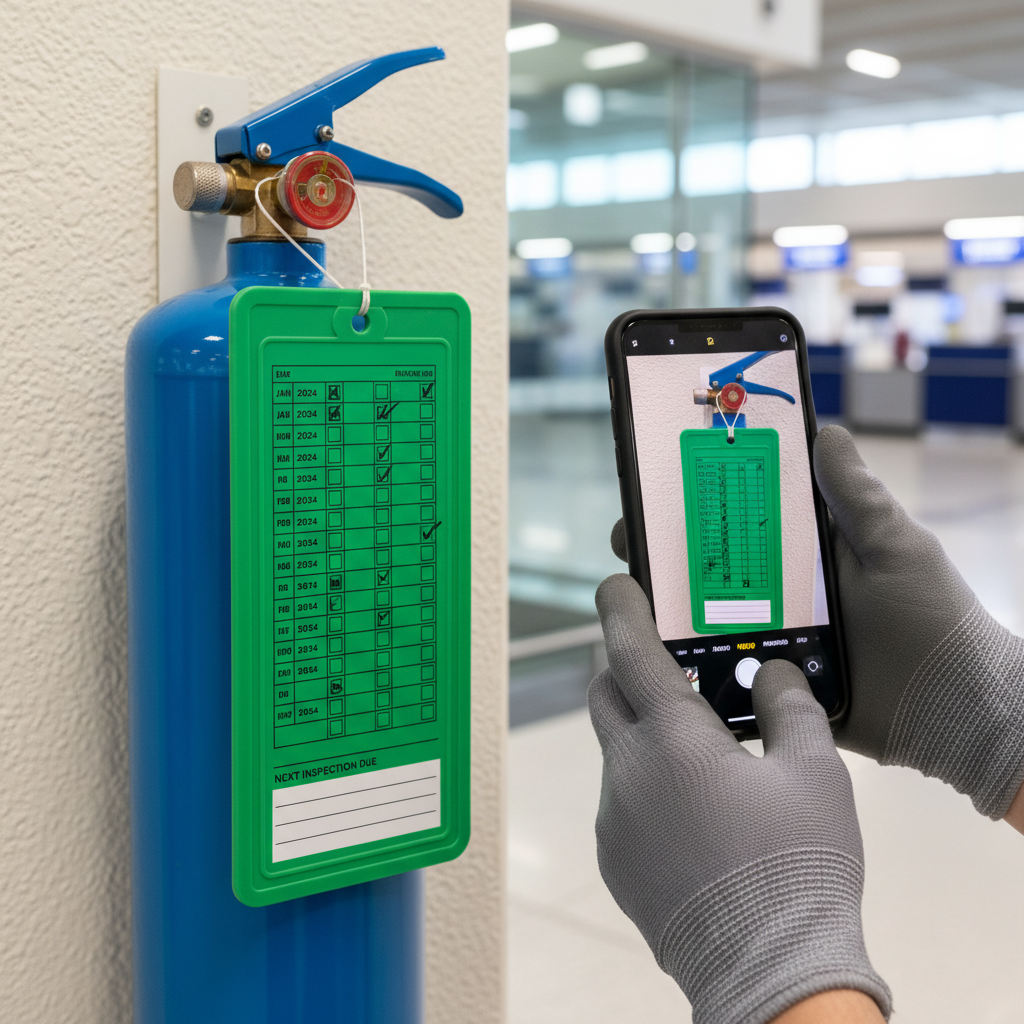
NFPA 10 requires monthly visual inspections of all fire extinguishers and annual maintenance. Checking expiry dates, verifying inspection tags, confirming gauge readings, and ensuring access is unobstructed, across hundreds of units campus-wide, is tedious and error-prone on paper. A single false alarm during peak hours disrupts thousands of passengers.
SENSFIX SOLUTION
Technician photographs the fire extinguisher inspection tag. ServiceOCRPro reads the expiry date, identifies ticked checkboxes, verifies gauge position. AI flags overdue or non-compliant units. Auto-generates NFPA 10 compliance record with photo evidence.
BENCHMARK
FAA penalties: up to $37,377 per violation per day
Compliance: NFPA 10, NFPA 72, OSHA 1910.157
Who Reports: Maintenance Technician
Parking Structure Concrete Assessment
THE PROBLEM
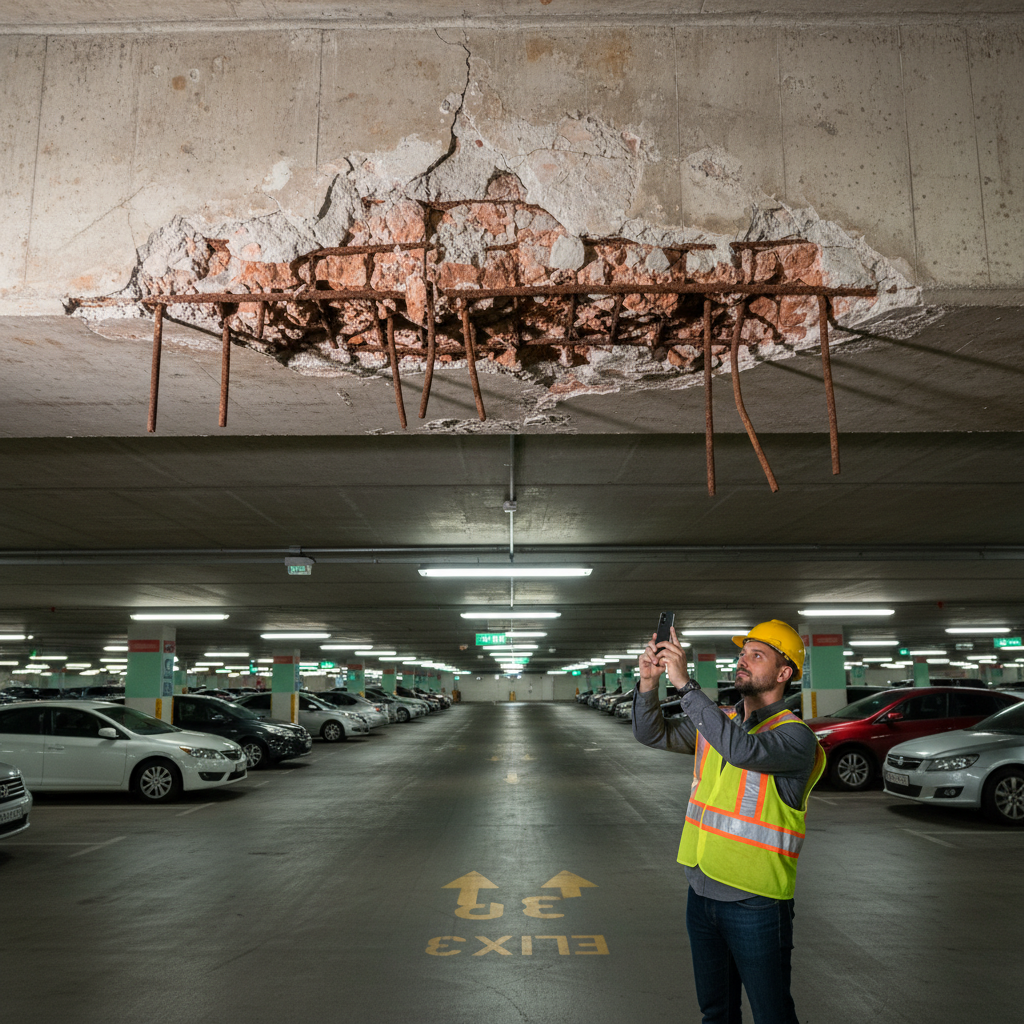
Florida's salt air, moisture, and thermal cycling cause aggressive concrete deterioration. Hurricane Milton damaged the 9th level of TPA's Short Term Parking Garage. $11.6M+ in active rehabilitation. Manual inspections cover 3–5% of assets vs 99% with AI-assisted methods.
SENSFIX SOLUTION
Inspector photographs concrete surfaces. ServiceScanAI classifies: spalling, rebar exposure, expansion joint deterioration, crack width and pattern, water staining. Maps location per ACI 362 standards. Creates searchable visual database with trend analysis over time.
BENCHMARK
94% crack classification accuracy achieved at Dübendorf Air Base
Compliance: ACI 362, structural code
Who Reports: Maintenance Technician
HVAC Equipment Visual Documentation
THE PROBLEM
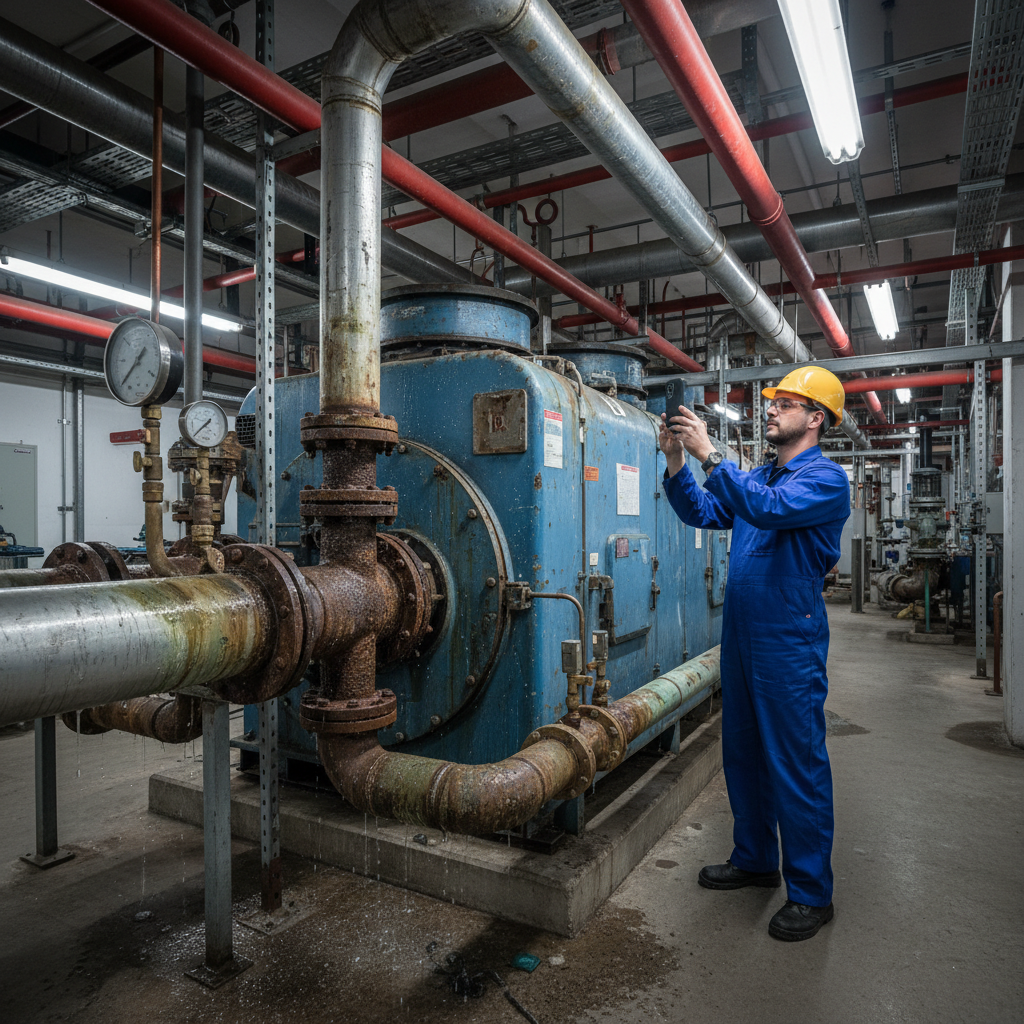
Cooling tower fill media degradation, chiller tube fouling, AHU filter loading, and condensation/mold around equipment are visual indicators of HVAC health that are noted informally but rarely documented systematically. Emergency chiller overhauls cost $50,000–$150,000. TPA's new $46M CUP serves the entire Main Terminal.
SENSFIX SOLUTION
Technician photographs equipment condition. AI classifies: defect type (corrosion, fouling, mold, membrane damage), equipment identity, severity. Drives proactive PM scheduling before the emergency scenario materializes.
BENCHMARK
MSP Airport: 50%+ maintenance cost reduction with systematic monitoring
Compliance: ASHRAE 62.1, EPA (Legionella), manufacturer specs
Who Reports: Maintenance Technician
Escalator/Elevator Component Inspection
THE PROBLEM
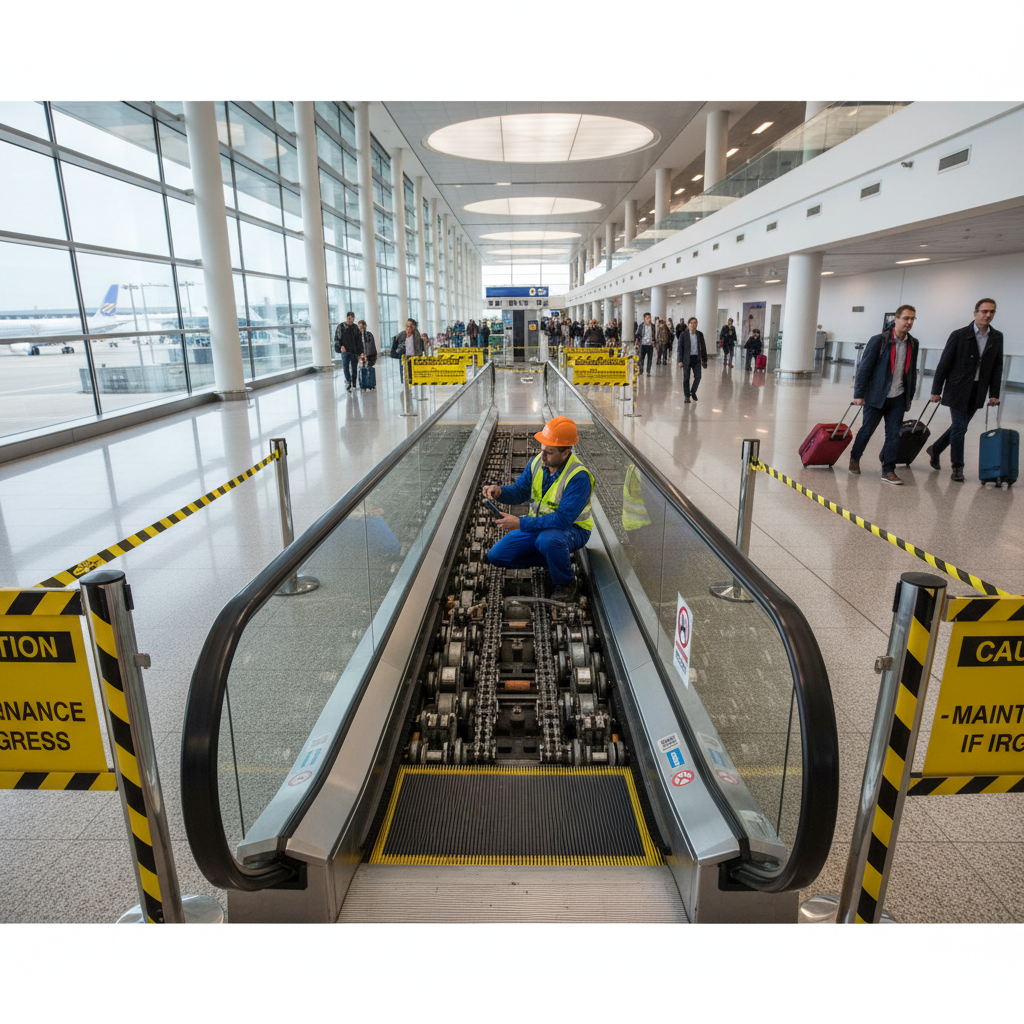
ASME A17.1 requires periodic inspections including removal of 6–8 escalator steps for visual inspection of drip pans, undersides, trusses, roller tracks, chains, and handrails. Escalator failures cost $2,000–$15,000 per day in lost revenue. Documentation is typically handwritten checklists.
SENSFIX SOLUTION
Technician photographs step surfaces, comb plates, handrails, machine rooms, elevator cab interiors. AI classifies: component type, condition, missing cleats, debris, fraying. Creates ASME-compliant inspection record with before/after photo evidence.
BENCHMARK
Structured PM: 40-55% reduction in annual repair costs
Compliance: ASME A17.1, OSHA, ADA
Who Reports: Maintenance Technician
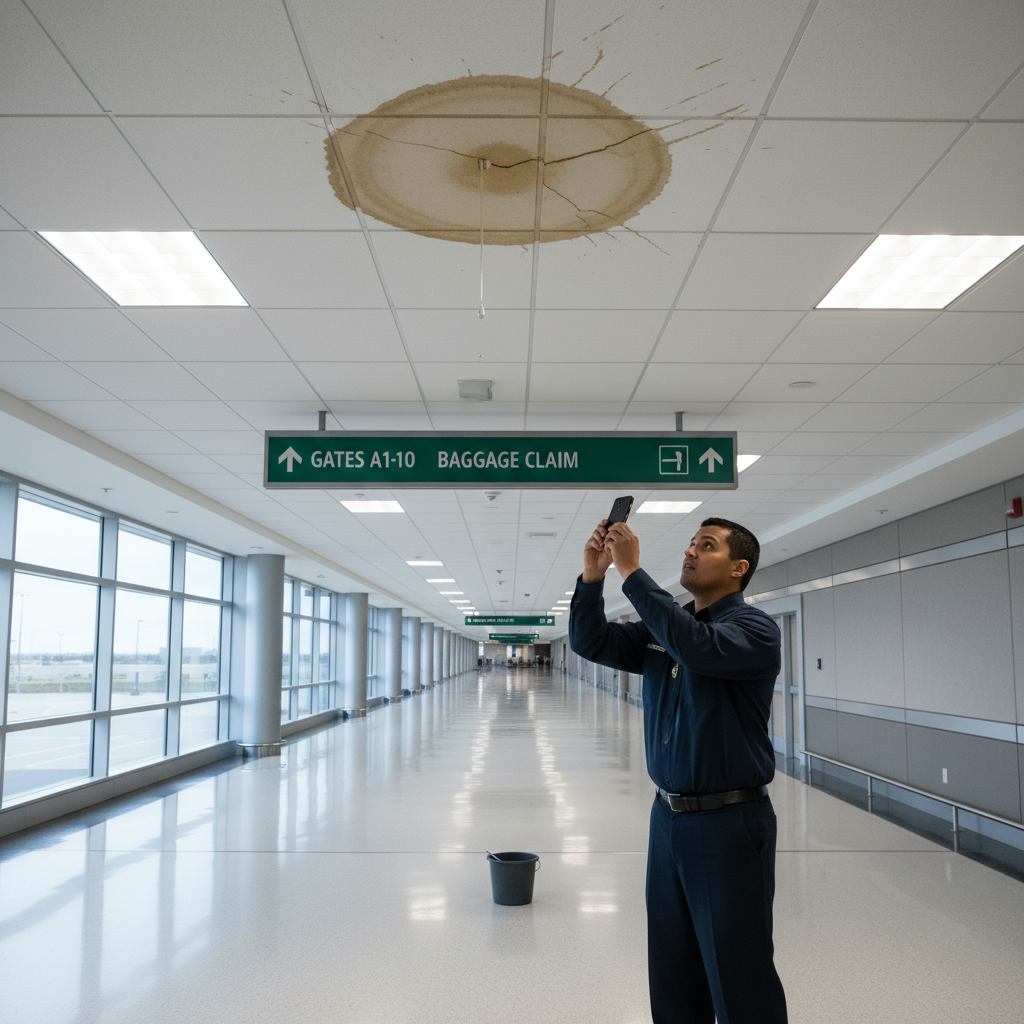
Custodial Staff: Your Frontline Facility Sensors
Custodial teams are the airport’s eyes and ears. They discover issues outside their scope every shift: ceiling leaks, broken fixtures, structural damage, pest evidence. But they lack direct authority to initiate maintenance repairs. ReportAI gives them that agency.
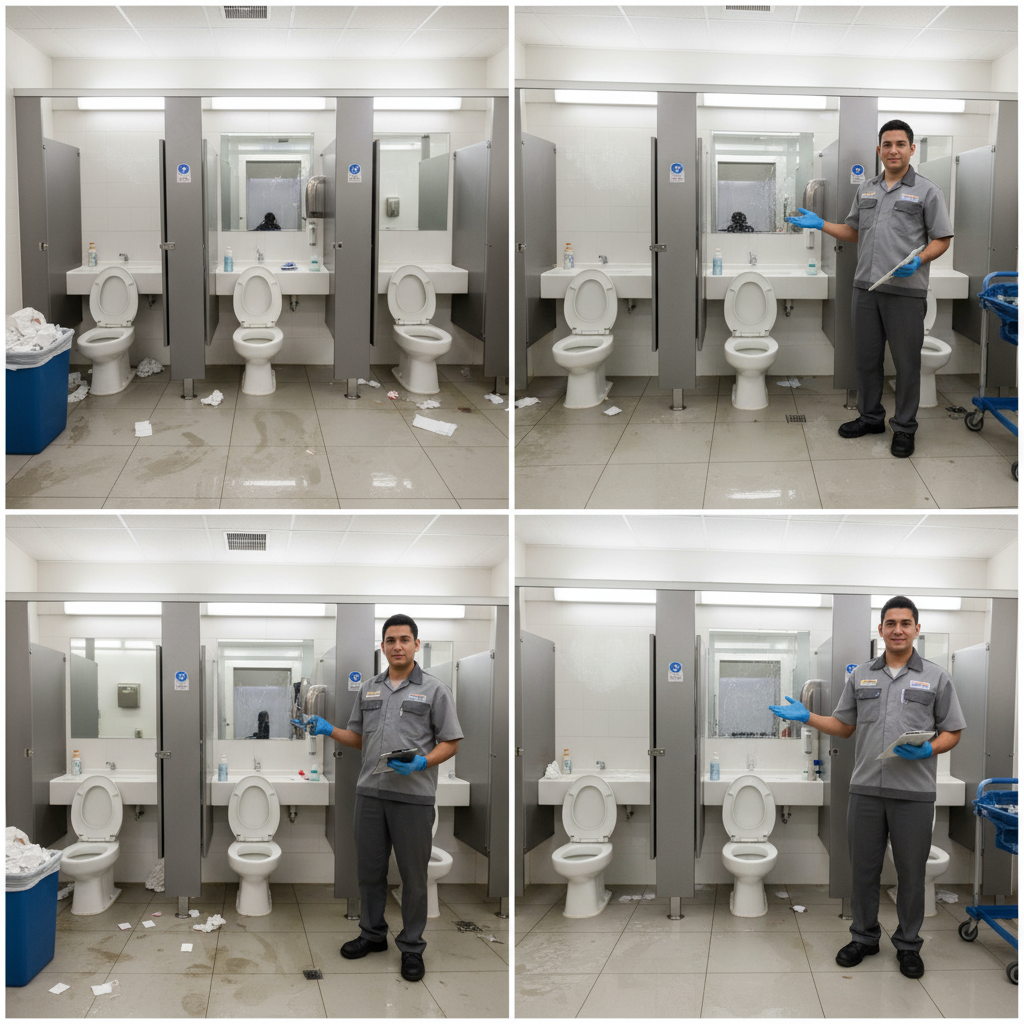
Post-Cleaning Quality Verification
THE PROBLEM
Airport custodial contracts require documented quality verification. The APPA 5 Levels of Clean standard defines inspection criteria. Today, supervisors walk areas and check boxes on paper forms. No photo evidence, no AI-assisted scoring, no trend data. TPA just won the 2026 ISSA Spotless Spaces of the Year with Flagship, and maintaining that standard requires systematic documentation.
SENSFIX SOLUTION
Custodial supervisor photographs cleaned area (before/after). AI assigns cleanliness score (1-5 per APPA standards), flags remaining defects (missed spots, stains, debris). Creates photo-documented QC record per shift. Identifies cleaning quality trends by zone, shift, and team.
BENCHMARK
TPA: 2026 ISSA Spotless Spaces of Year winner; AI preserves that standard
Who Reports: Custodial Staff
Non-Cleaning Defect Discovery During Rounds
THE PROBLEM
Custodial staff regularly discover maintenance issues outside their scope: a ceiling leak, a cracked tile, pest evidence, a broken fixture. Today's workflow is informal. Radio the supervisor, call the Maintenance Control Center, create a manual work order. Each handoff adds delay and risks the issue being forgotten.
SENSFIX SOLUTION
Janitor discovers a leak during cleaning rounds. Photographs it. AI classifies: defect type (plumbing leak, ceiling damage, broken fixture, pest evidence), urgency, asset category. Auto-creates classified maintenance ticket routed to the correct trade. No radio calls, no manual handoffs, no forgotten issues.
BENCHMARK
Eliminate 3-5 handoffs between discovery and work order creation
Who Reports: Custodial Staff
Operational Edge Cases: Security Patrols, Night Shifts & Disaster Response
These three use cases address scenarios where traditional tools fail: skeleton crews, emergency conditions, and cross-functional discovery of facility issues.
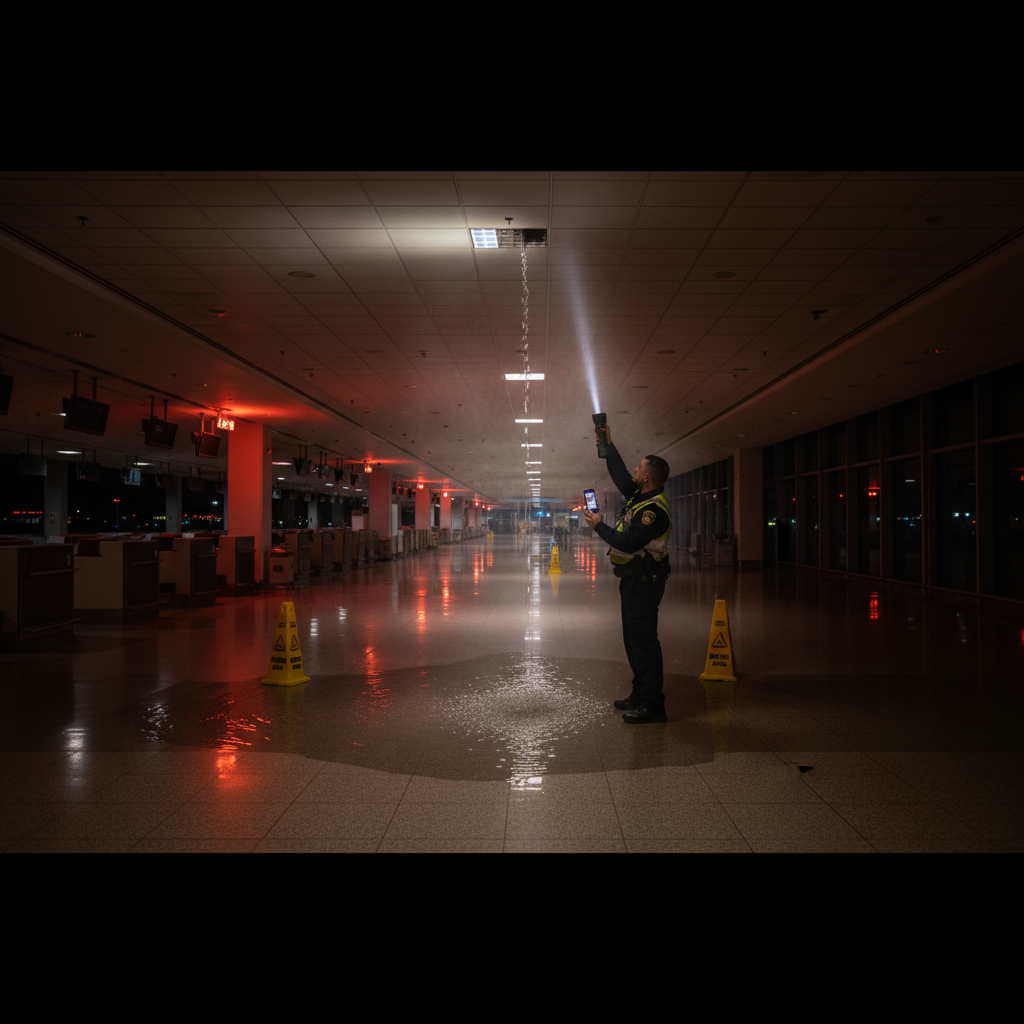
Security Patrol Facility Damage Documentation
THE PROBLEM
Airport security personnel patrol terminals, parking structures, and perimeters continuously. They encounter broken lighting, damaged floor tiles, water leaks, malfunctioning doors, and fence damage. But these non-security facility issues are reported informally via radio, creating an undocumented chain. Issues fall through the cracks between security and maintenance departments.
SENSFIX SOLUTION
Security officer photographs facility damage discovered during patrol. AI classifies: damage type, severity, zone classification (TSA 1542 relevance), OSHA implication. Maintenance work order auto-created from security's documentation. No radio relay, no lost-in-translation.
BENCHMARK
Bridges the security-maintenance communication gap: zero informal radio handoffs
Compliance: TSA Part 1542, OSHA
Who Reports: Security Staff
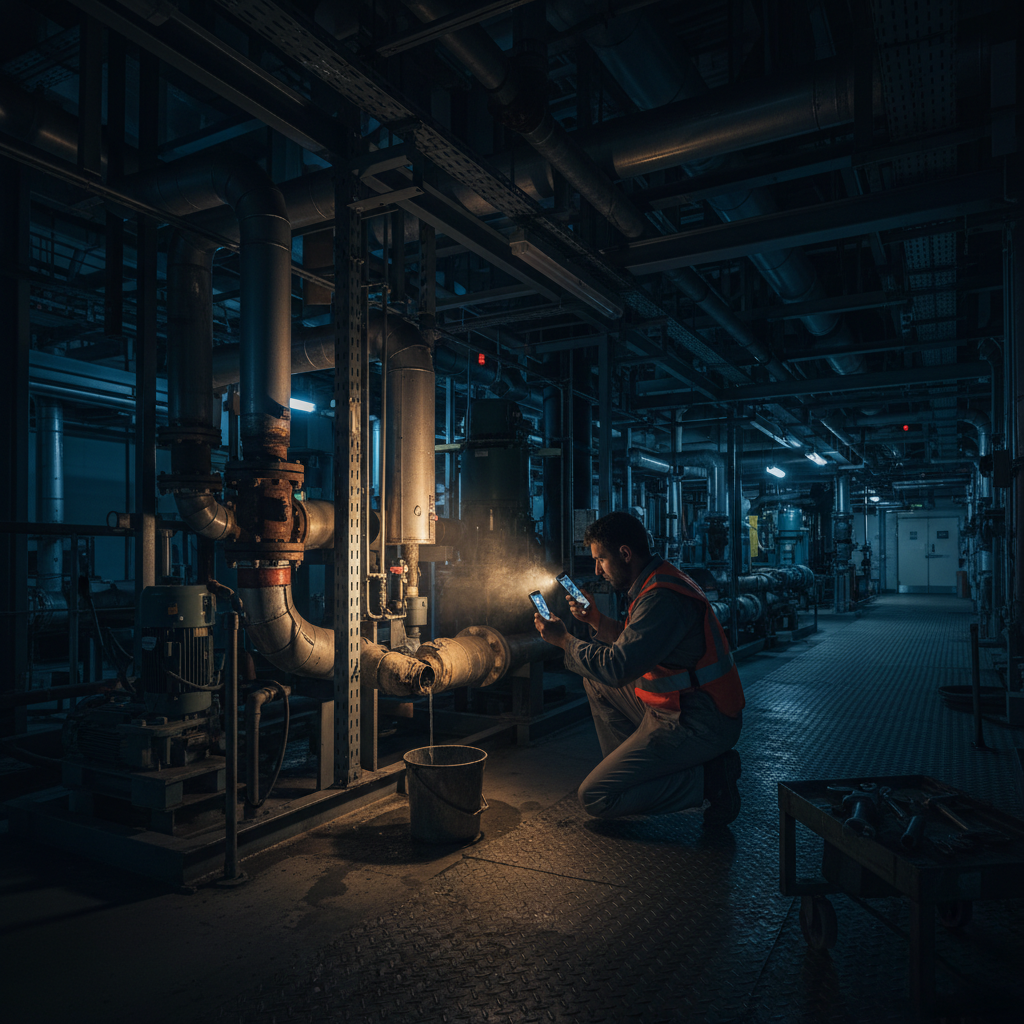
Night Shift Cross-Trade Issue Documentation
THE PROBLEM
Airports operate 24/7 with night shifts at 40–60% reduced staffing. A night HVAC technician who discovers a plumbing leak has no efficient way to classify it, route it, and ensure the plumbing team addresses it in the morning. Hand-scrawled notes, verbal handoffs, and forgotten issues are the norm. The aviation maintenance workforce has a 17,800-person deficit nationally.
SENSFIX SOLUTION
Night technician photographs an issue outside their trade. AI classifies the issue type, identifies the asset, suggests priority. Work order auto-generated and queued for the appropriate trade's morning shift. One technician with ReportAI documents and correctly classifies dozens of cross-trade issues per shift.
BENCHMARK
Workforce deficit: 17,800 today, projected 25,000-40,000 by 2028
Who Reports: Night Shift Technician
“Night shift — good luck.”
— JLL Maintenance Technician, Indeed.com Review
Hurricane Damage Rapid Triage
THE PROBLEM
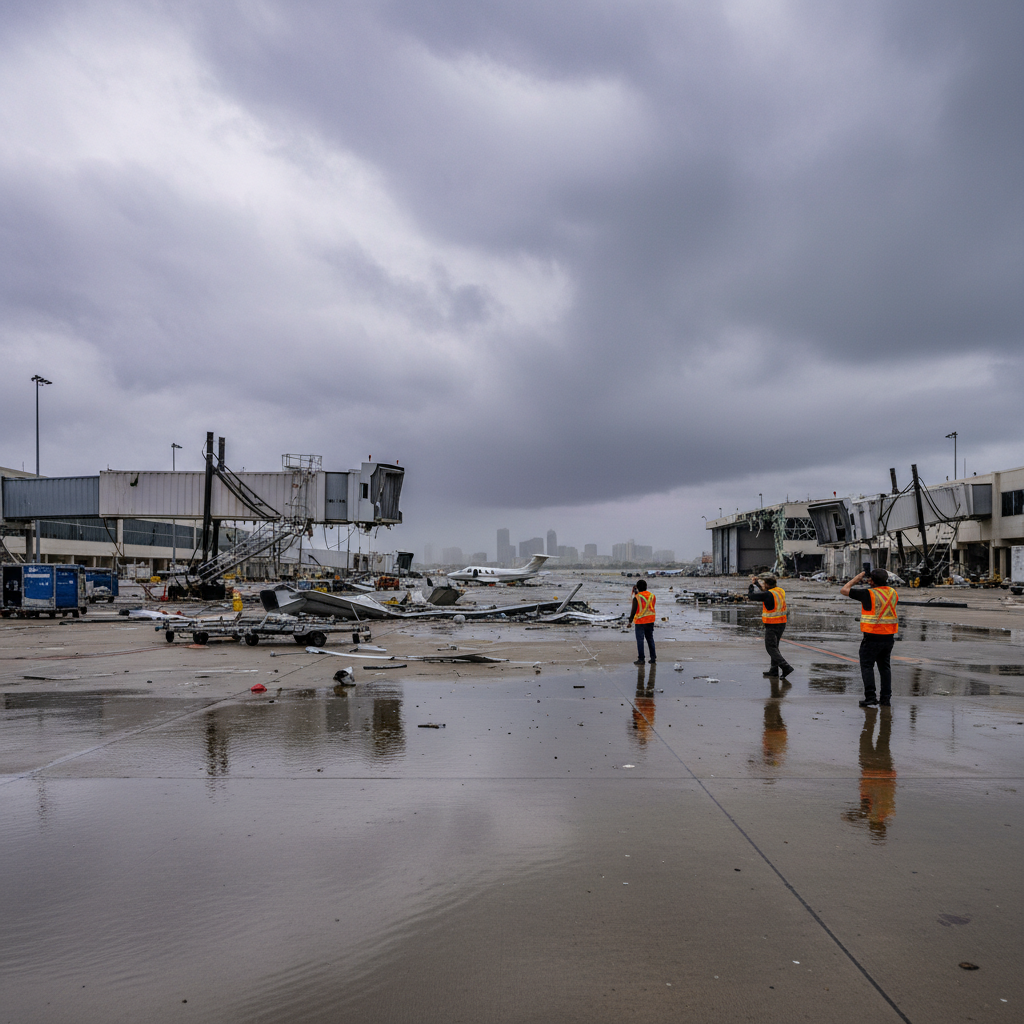
TPA experienced back-to-back hurricanes in 2024. Hurricane Milton damaged boarding bridges, the 9th floor of the Short Term Parking Garage, shuttle guideways, and caused water intrusion across the Main Terminal. Assessment crews worked across 3,300 acres using radio reports and hand-written notes. At General Aviation airports, damage assessment took 3–4 days for runways alone.
SENSFIX SOLUTION
Equip every available staff member with ReportAI. Point camera at damage. AI classifies: type (structural, water intrusion, electrical, glass, roofing, pavement), severity, geolocates, timestamps. Within hours, leadership has a categorized, prioritized, mapped damage inventory. The FAA's subsequent $2.1M AIP grant for flood barriers shows how documentation drives recovery investment.
BENCHMARK
3,300 acres assessed in hours instead of days
Compliance: FAA Part 139, FEMA documentation
Who Reports: All Available Staff
COMPETITIVE ANALYSIS
No One Else Does This
“No commercial product on the market today uses AI computer vision to automatically classify a facility issue from a smartphone photo.”
— Research Finding
| Tool | Method | AI Vision? | Airport Presence |
|---|---|---|---|
| AirVote | QR code to smiley-face sentiment | IND, Corpus Christi | |
| ELERTS See Say | App with manual category selection | DEN, SEA | |
| OrangeQC | Staff forms + public QR | CVG, NYC airports | |
| Touchwork FixIT | QR to web form, manual text | SMF, London Stansted | |
| TRAX Analytics | IoT sensors + staff iPad | DFW, ATL, LGA | |
| Sotereon.AI | LiDAR spatial intelligence | TPA, DEN, SFO | |
| IBM Maximo MVI | Industrial equipment QC | Partial | AMS, JFK |
| Sensfix ReportAI | Smartphone photo → AI classifies | Port of Tampa |
Every competitor requires manual input: dropdown menus, smiley faces, or free-text descriptions. Sensfix ReportAI is the only product that uses AI computer vision to automatically classify a facility issue from a smartphone photo.
Ready to Transform Airport Operations?
See how AI-powered smartphone inspections and automated issue classification can transform your airport’s maintenance and operations workflow.
© 2026 Sensfix Inc. All Rights Reserved. — San Francisco | Łódź, Poland | Seoul, South Korea