
Sensfix Applied AI Blueprint
Applied AI Blueprint: Vehicle Maintenance
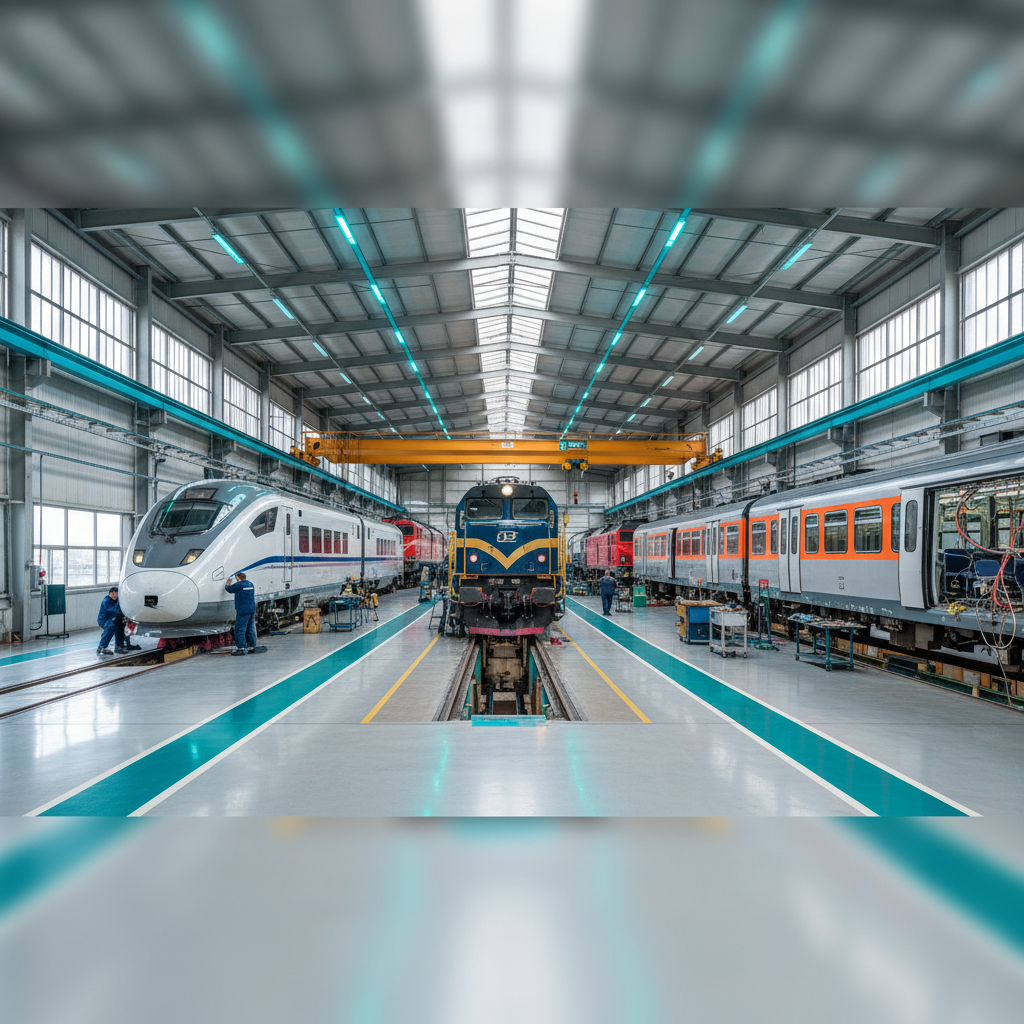
How Proven Multimodal AI Capabilities Address Rolling Stock and Fleet Challenges Beyond Current Depot Inspections
Beyond Brake Pads: The Full Spectrum of Vehicle Maintenance AI
Most conversations about AI in vehicle maintenance focus on the obvious: visual damage detection. But modern rolling stock and fleet maintenance spans far more ground: tire wear analysis, electrical system diagnostics, thermal monitoring, corrosion tracking, and predictive component replacement scheduling all demand continuous data that manual inspections cannot provide.
Sensfix has proven its SAAI platform in production at the world's second-largest train manufacturer: automated brake pad measurement with sub-millimeter precision, compressor health monitoring via audio AI, and interior condition scanning via depot-entry cameras. This Blueprint extends those proven capabilities to the vehicle maintenance domains that sit alongside current depot operations.
Tire Wear Analysis & Prediction
The Reality
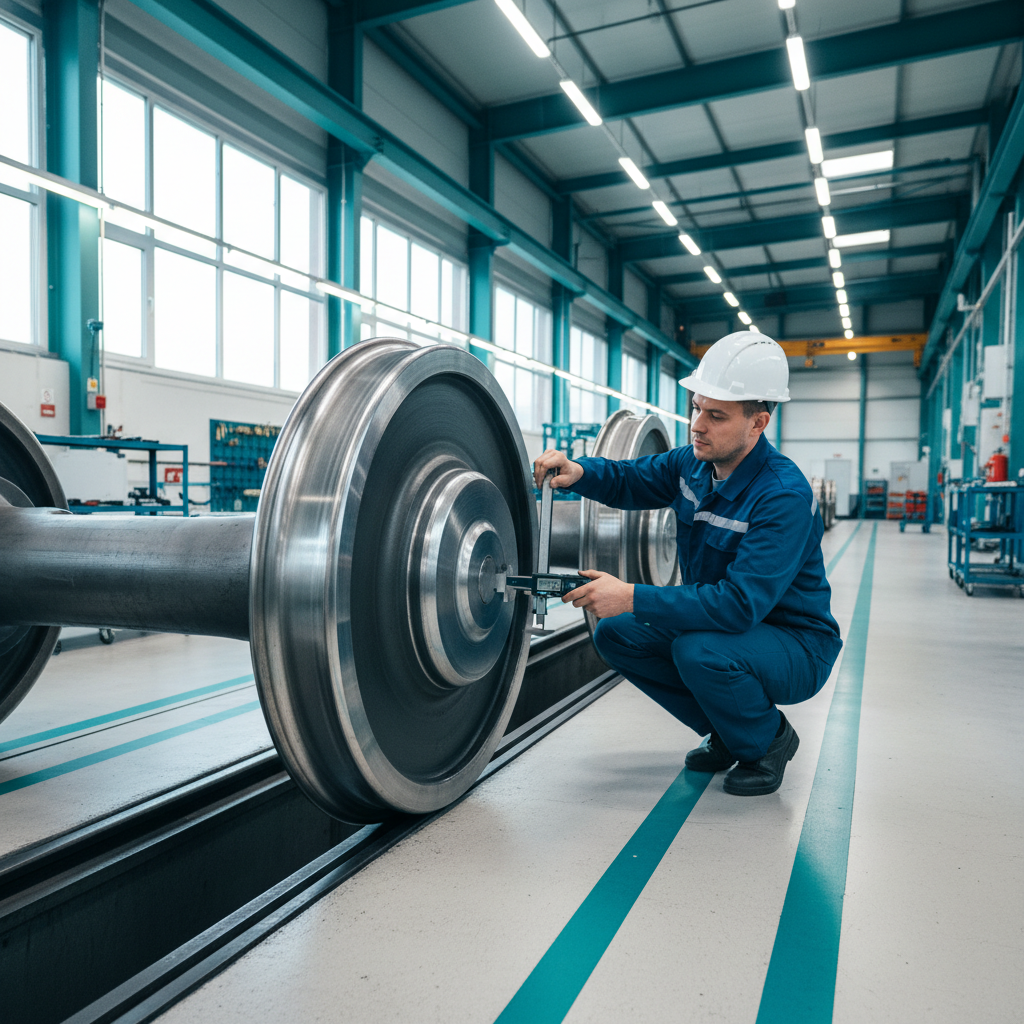
Tire condition on rolling stock (wheel tread profiles) and road fleets (rubber tire tread depth, sidewall damage, uneven wear patterns) is a safety-critical parameter governed by strict regulatory thresholds. Manual tire inspection is slow, subjective, and inconsistent; different inspectors measure differently, under different lighting conditions, at different points on the tire circumference. For railways, wheel tread profile measurements are critical for safety. A flange that's too thin risks derailment. A flat spot from emergency braking creates vibration that damages the bogie. For bus and truck fleets, tire inspection happens during vehicle walkarounds, a visual check that catches only obvious damage, not gradual tread depth reduction that approaches the legal limit.
The Proven AI Capability
At the world's second-largest train manufacturer, Sensfix measures brake pad thickness with sub-millimeter precision from standard camera imagery as each train passes through the depot entry point. The same dimensional measurement pipeline (camera captures a component profile, AI extracts measurements, rule engine compares against tolerance) applies directly to wheel tread profile measurement and tire tread depth analysis.
How It Works
Cameras positioned at the depot entry (or fleet parking lane) capture tire/wheel images as each vehicle passes. The AI extracts tread depth measurements across multiple points, identifies uneven wear patterns (indicating alignment issues), detects sidewall damage (cuts, bulges, cracking), and tracks wear progression per vehicle over time. The Rule Engine flags vehicles approaching minimum thresholds and predicts replacement timing based on wear rate trends.
Applicable Modules
Electrical System Diagnostics
The Reality
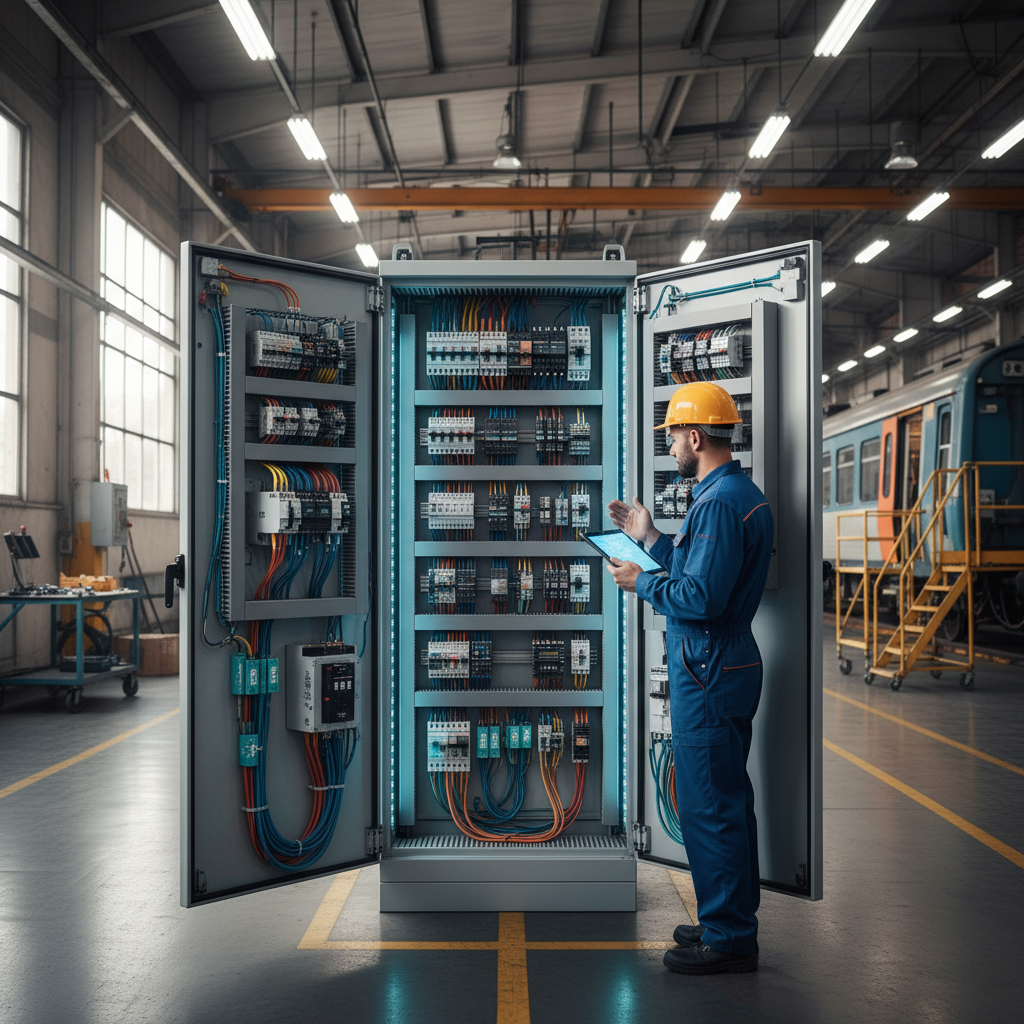
Modern rolling stock relies on complex electrical systems: traction motors, auxiliary power inverters, battery banks, wiring harnesses, circuit breakers, and passenger information system displays. Electrical faults account for a significant percentage of unplanned vehicle withdrawals from service. Diagnosing electrical issues traditionally requires specialized technicians with multimeters, oscilloscopes, and thermal cameras, expensive, slow, and scheduled rather than continuous. Early signs of electrical degradation (hot spots on connections, discolored wiring insulation, arc damage marks on contactors) are visible but subtle. They escape notice during time-pressured depot inspections focused on mechanical and safety checks.
The Proven AI Capability
ServiceScanAI's 42+ defect detection models identify surface anomalies from standard imagery, including discoloration, heat damage marks, and material degradation that indicate electrical stress. At the European WWTP, thermal deviation monitoring detects overheating on motor windings. At the 5G manufacturing facility, vibration signatures from electric motors distinguish between mechanical and electrical fault origins (imbalance vs. winding asymmetry).
How It Works
During depot inspections, technicians use the Sensfix mobile app to photograph electrical cabinets, junction boxes, and wiring runs. The AI flags: discolored or swollen connections (indicating overheating), arc marks on contactor surfaces, insulation cracking or melting, corrosion on battery terminals, and display failures on passenger information systems. Thermal cameras on the same mobile device detect hot spots that invisible-light cameras cannot see. The Rule Engine correlates visual findings with operational data (e.g., a hot connection on a traction motor contactor + reduced acceleration performance = priority intervention).
Applicable Modules
Corrosion Tracking & Structural Health
The Reality
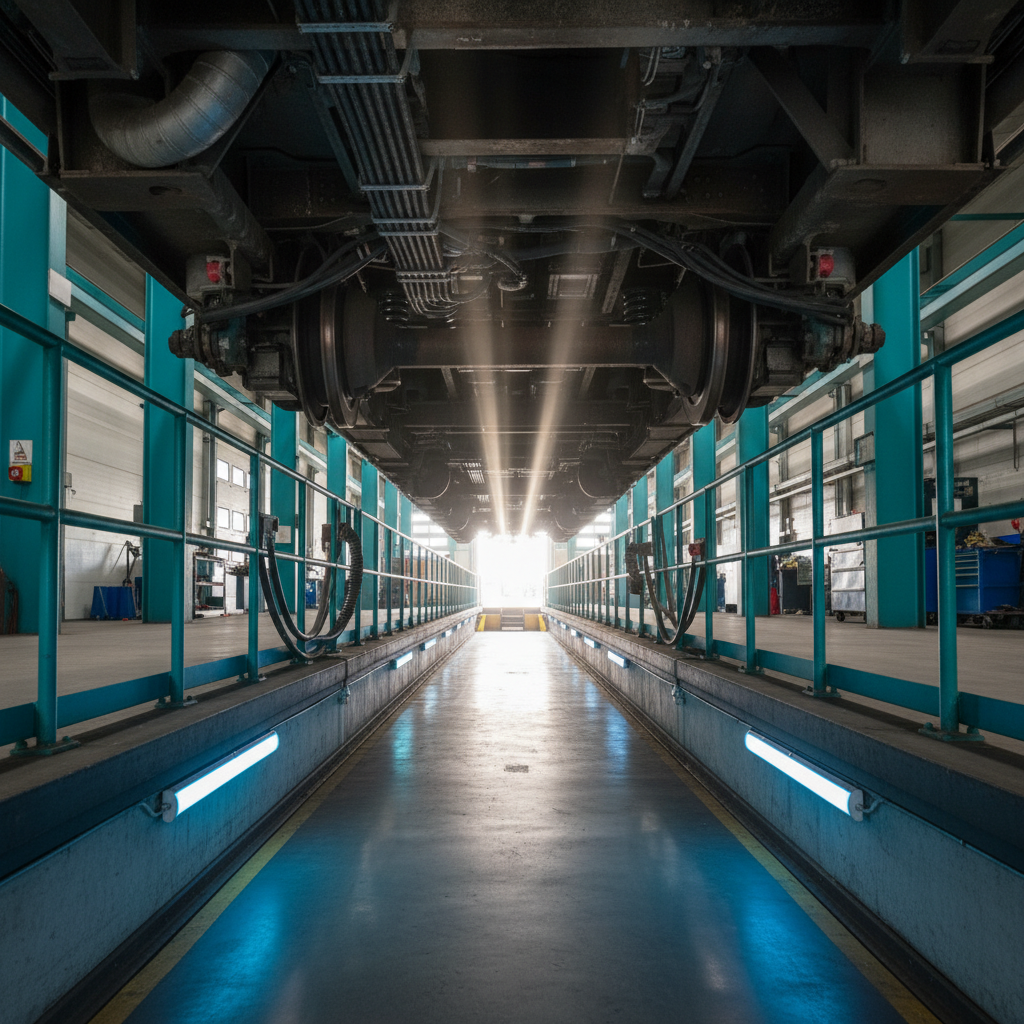
Rolling stock and fleet vehicles operate in corrosive environments: salt spray on coastal routes, de-icing chemicals on winter roads, moisture ingress from power washing, and galvanic corrosion at dissimilar metal joints. Corrosion is progressive; by the time it's visually obvious, structural integrity may already be compromised. Manual inspection catches only surface-level corrosion that's already advanced. For railways, underframe corrosion is particularly insidious because it occurs in hard-to-see locations beneath the vehicle. For bus and truck fleets, wheel well corrosion, frame rail deterioration, and body panel perforation follow predictable patterns but are tracked only during periodic roadworthiness tests.
The Proven AI Capability
Defect detection models trained on corrosion patterns at industrial facilities distinguish between surface oxidation (cosmetic), active corrosion (progressing), and structural corrosion (requiring intervention). At a major port, infrastructure corrosion from salt spray is detected on quay walls and bollards via camera monitoring.
How It Works
Depot-entry cameras capture underframe images as vehicles pass over inspection pits. Mobile inspections capture body panels, wheel wells, and structural joints. AI classifies corrosion severity (Grade 1-4 scale), measures affected area, and tracks progression per vehicle over time. Historical trending triggers intervention before structural thresholds are reached, not after.
Applicable Modules
Pantograph & Roof Equipment Monitoring (Rail-specific)
The Reality
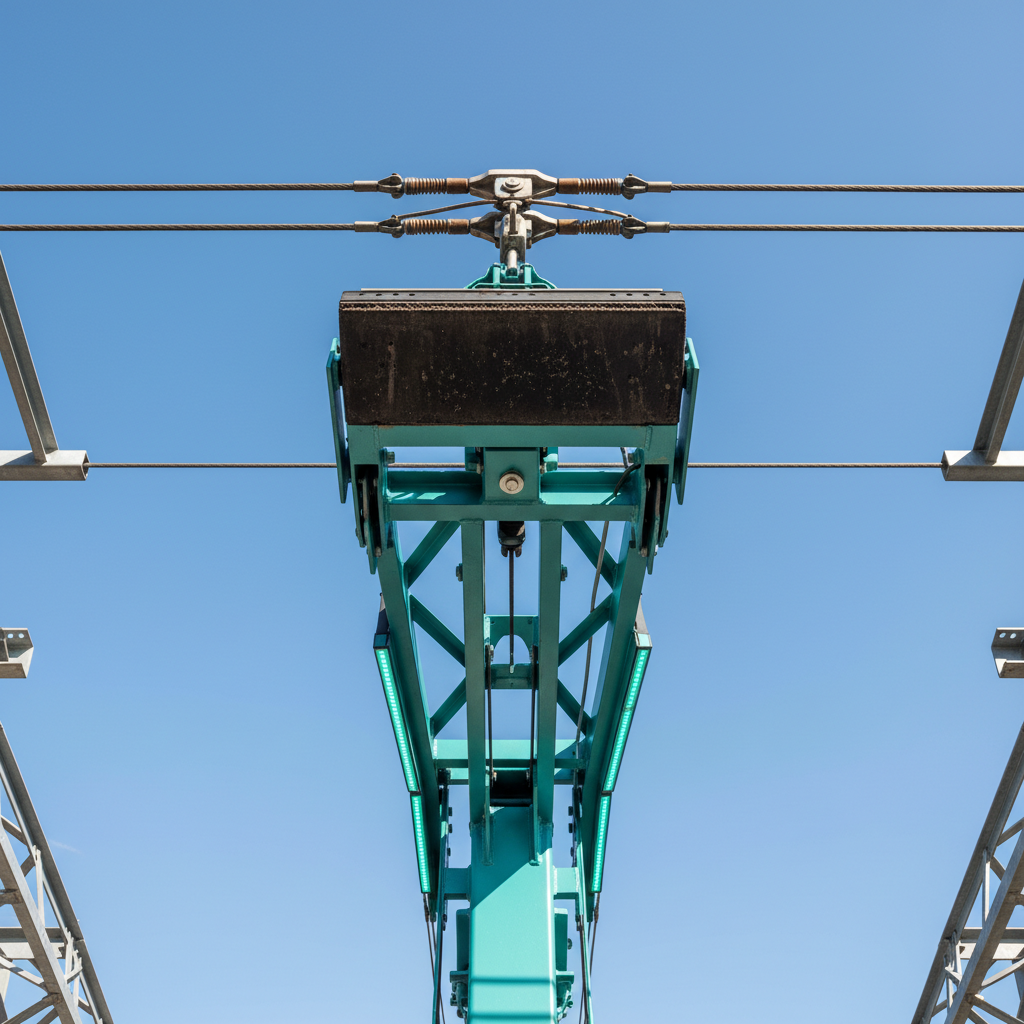
Pantographs, the spring-loaded arms that connect electric trains to overhead catenary wires, are among the most wear-intensive and safety-critical components on electric rolling stock. Carbon contact strip wear, horn damage, frame cracking, and spring degradation all require regular monitoring. Traditional inspection requires elevated platforms or specialized lifting equipment to examine the roof, expensive, time-consuming, and creating fall-from-height safety risks.
The Proven AI Capability
Overhead cameras (the same architecture as depot-entry scanning) positioned above the track at the depot entrance capture pantograph images as each train passes through. AI measures carbon strip thickness, detects frame cracks, identifies horn damage, and monitors spring compression. The same sub-millimeter measurement precision proven on brake pads applies to carbon strip wear profiling.
Applicable Modules
Fleet-Wide Predictive Maintenance Scheduling
The Reality
Most depot maintenance follows fixed schedules: every X kilometers or every Y days, regardless of actual vehicle condition. This means healthy vehicles get serviced too often (wasting labor and parts) while stressed vehicles may be serviced too late. Condition-based maintenance is the industry goal, but it requires continuous data streams that manual inspection can't provide.
The Proven AI Capability
The SAAI platform doesn't just detect defects; it tracks them over time per vehicle. Brake pad wear rate, corrosion progression rate, tire tread depletion rate, and fluid consumption rate per vehicle create individual vehicle health profiles. The Rule Engine uses these profiles to predict when each component will reach its intervention threshold and generates work orders in advance, scheduling the right vehicle for the right maintenance at the right time. At a Bay Area automaker facility, this approach reduced spare parts overuse and loss by 80%, because every maintenance action was tied to a specific vehicle, specific component, and specific condition assessment.
Applicable Modules
Proven At Scale
| Capability | Where Proven | Vehicle Maintenance Application |
|---|---|---|
| Sub-mm brake pad measurement | Train manufacturer (production) | Brake assessment baseline |
| Audio AI compressor monitoring | Train manufacturer (production) | Compressor, HVAC, door systems |
| Interior condition scanning | Train manufacturer (production) | Cabin inspection |
| Fluid leak visual detection | Train manufacturer (extended) | Hydraulic and coolant leak detection |
| 42+ defect detection models | Industrial facilities, 3 continents | Body damage, corrosion, electrical damage |
| Vibration predictive maintenance | 5G manufacturing facility (5KHz) | Traction motor health |
| Digital workflows + inventory | Bay Area automaker | Parts tracking, maintenance SOPs |
| Continuous wear tracking | Industrial facilities | Component replacement prediction |
Implementation Approach
Phase 1: Extend Depot Capabilities (30-60 Days)
For depots where Sensfix is already deployed for brake and interior inspection, tire analysis and electrical diagnostics are extensions: additional AI models on existing cameras, additional inspection workflow steps on existing tablets.
Phase 2: Fleet-Wide Intelligence
All vehicles, all components, all maintenance workflows digitized under a single platform. Vehicle health profiles enable fleet-wide predictive scheduling that optimizes labor, parts, and vehicle availability simultaneously.