
Sensfix Applied AI Blueprint
Applied AI Blueprint: Commercial Buildings
How Proven Multimodal AI Capabilities Address Building Operations Challenges Beyond Standard Facility Management
The $18.3 Billion Smart Building Opportunity
Commercial buildings (office towers, campuses, hospitals, shopping centers, hotels, and mixed-use developments) generate continuous data from thousands of systems: HVAC, electrical, fire safety, plumbing, elevators, security, and cleaning operations. Yet most facility management teams run on reactive work orders, paper-based inspections, and fragmented vendor systems that don't talk to each other.
Sensfix has proven its SAAI platform at a Bay Area automotive facility, reducing spare parts overuse and loss by 80% through digitized maintenance workflows with per-step inventory tracking. It has also deployed at a European retail chain for multi-location compliance monitoring via existing cameras. This Blueprint extends those proven capabilities to the building operations domains that traditional FM software misses.
Fire Safety Compliance & Inspection
The Reality
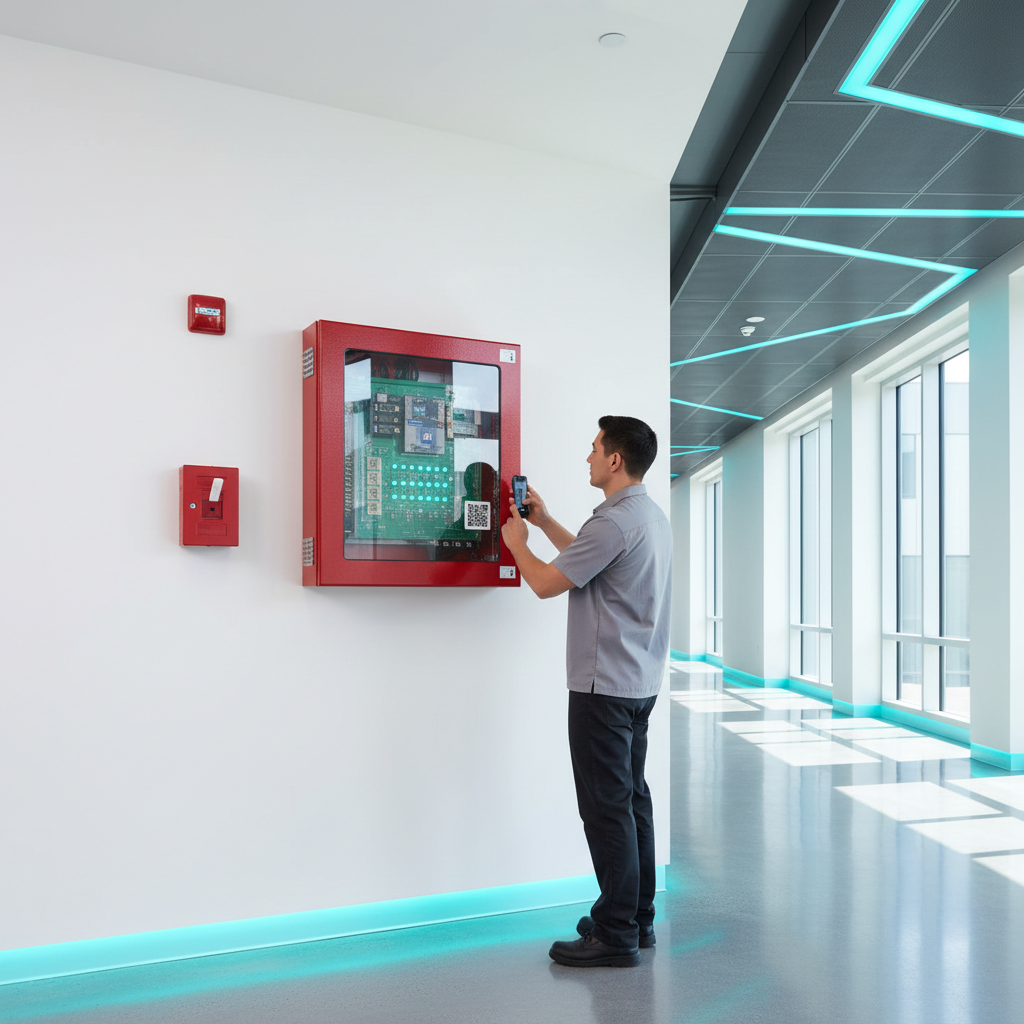
Fire safety compliance is a non-negotiable building requirement. NFPA 72 mandates regular inspection, testing, and maintenance of fire alarm systems, sprinklers, extinguishers, emergency lighting, and exit signage. The typical compliance workflow: a fire safety vendor arrives quarterly, inspects systems with a clipboard, leaves a paper report, and invoices $3,000-15,000 depending on building size. Between inspections, fire safety equipment status is unknown. A disabled smoke detector, a discharged extinguisher, a blocked exit path, or a failed emergency light persists until the next quarterly visit, or until someone happens to notice.
The Proven AI Capability
At airport facilities, Sensfix deploys fire alarm inspection digitization, replacing paper-based NFPA 72 inspection with digital workflows featuring photo evidence, real-time tracking, and audit-ready reporting. ServiceOCRPro reads fire alarm panel displays (zone status, battery voltage, ground fault indicators) from smartphone cameras, extracting readings instantly and comparing against compliance thresholds.
How It Works in Commercial Buildings
Building maintenance staff perform monthly fire safety rounds using the Sensfix mobile app. At each inspection point (alarm panel, extinguisher, emergency light, exit sign), the app guides them through a checklist with mandatory photo capture. ServiceOCRPro reads panel readings automatically. ServiceScanAI verifies extinguisher gauge positions, exit sign illumination, and sprinkler head condition. The Multimodal Rule Engine flags any non-compliant item for immediate action and generates NFPA-format compliance reports automatically.
Applicable Modules
Cleaning & Janitorial Quality Assurance
The Reality
Commercial buildings spend $50-80 per 1,000 square feet annually on cleaning services. Yet cleaning quality verification is almost entirely subjective; a building manager walks through, decides it "looks clean enough," and signs off on the vendor invoice. There's no objective, consistent measurement of cleaning quality, no evidence trail for disputes, and no data to compare vendor performance over time. Slip-and-fall incidents from unclean floors cost US businesses $11 billion annually. A single lawsuit from a visitor who slips on an unwashed lobby floor can exceed a year's cleaning budget.
The Proven AI Capability
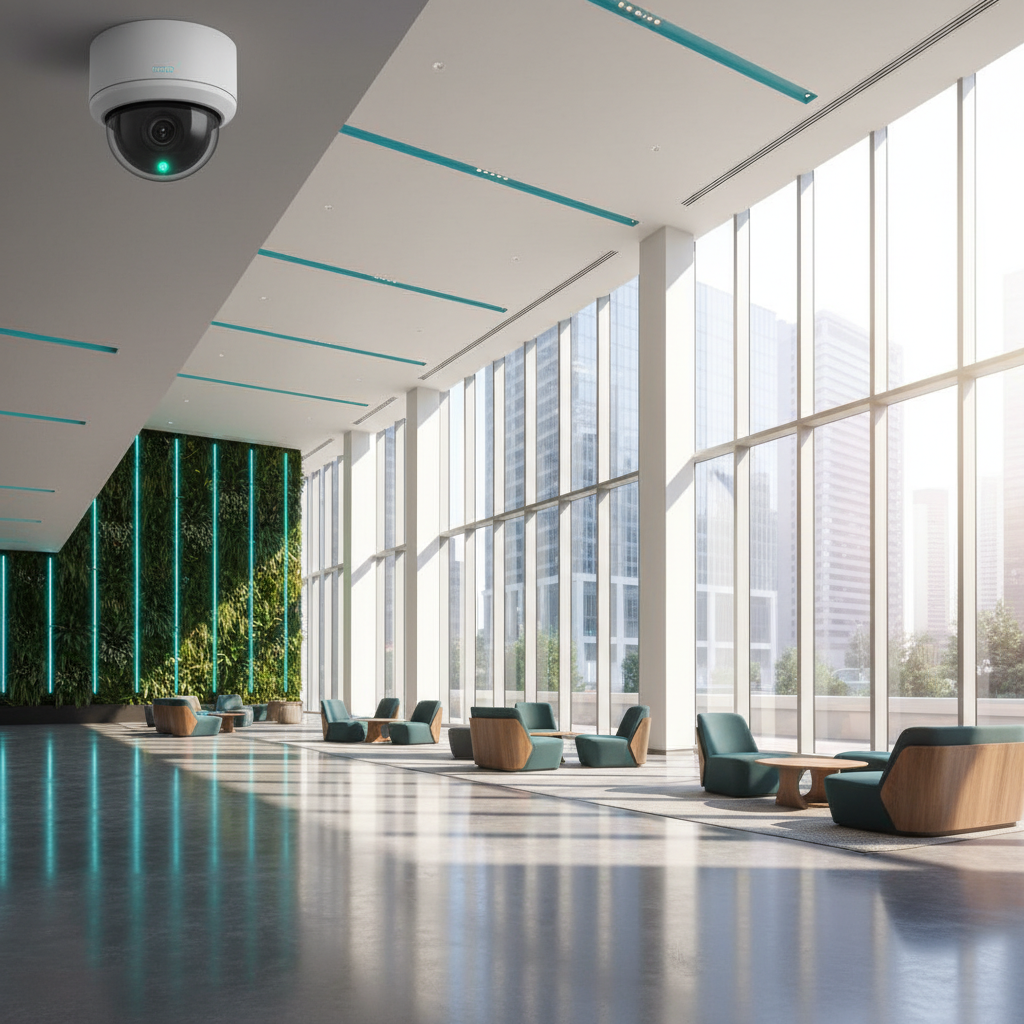
At a European multi-store retail chain, Sensfix monitors floor cleanliness from existing CCTV cameras, detecting dirty floors, spills, pathway obstructions, and debris in real time. The centralized compliance dashboard tracks floor cleanliness scores across multiple locations, benchmarking each location's cleaning performance daily and weekly. The identical capability applies to commercial building lobbies, corridors, restrooms, and parking garages.
How It Works in Commercial Buildings
Existing lobby and corridor cameras are connected to ServiceScanAI, which continuously monitors floor conditions. The AI detects: standing water or spills, debris accumulation, trash overflow near bins, and pathway obstructions. The Rule Engine triggers immediate alerts to the cleaning crew when conditions breach thresholds ("If lobby floor cleanliness score drops below 80, alert janitorial supervisor"). Weekly reports benchmark cleaning quality per zone, per shift, creating objective data for vendor performance reviews.
Applicable Modules
Plumbing & Water Management
The Reality
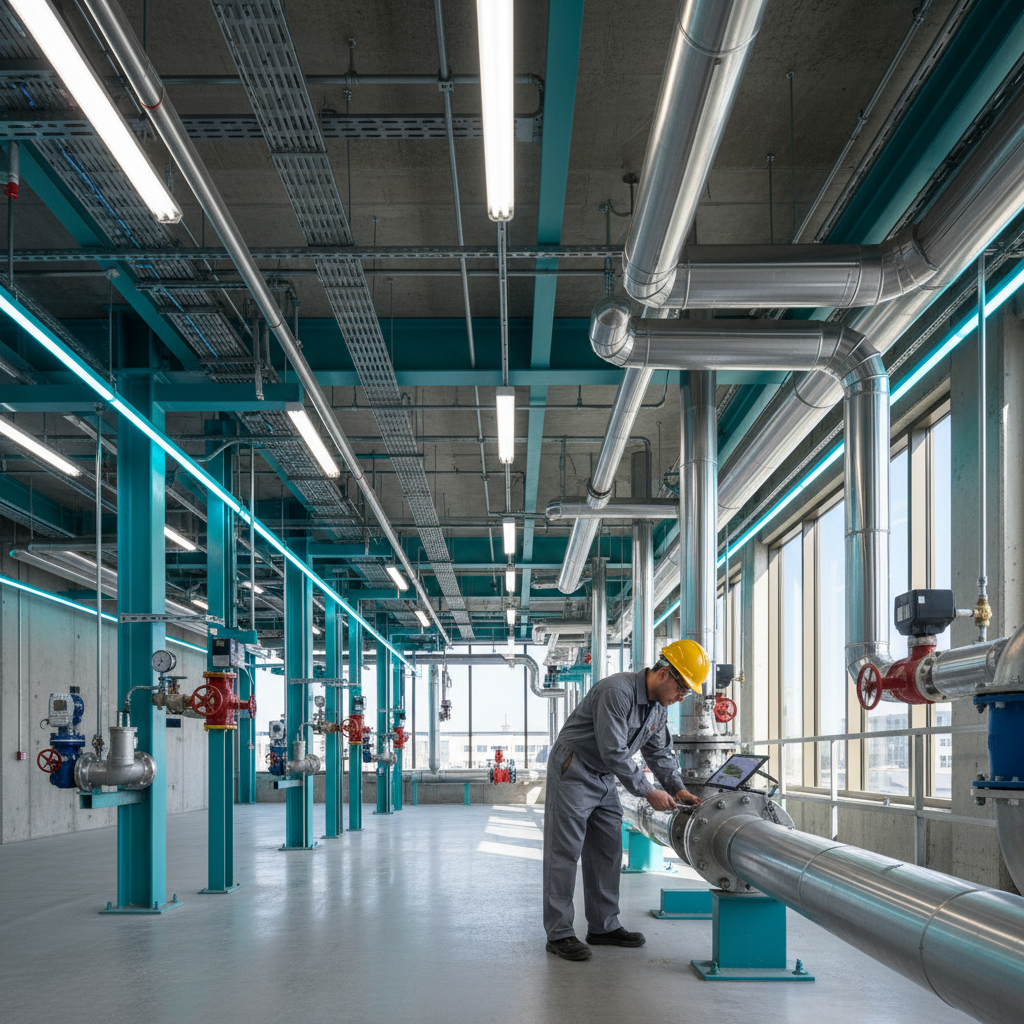
Water damage is the most common and costly building insurance claim, averaging $10,000-50,000 per incident for commercial properties. Pipe leaks, running toilets, overflow events, and cooling tower water treatment failures accumulate silently behind walls, above ceilings, and in mechanical rooms where no one looks between rounds. Most buildings detect water issues only when a tenant reports a visible problem. By that point, the leak has already caused structural damage, mold growth, or equipment corrosion.
The Proven AI Capability
At a major train manufacturer, computer vision detects fluid traces on complex metal surfaces, distinguishing fresh leaks, residual moisture, and normal condensation. The same visual leak detection applied to building mechanical rooms identifies pooling water, pipe surface condensation indicating insulation failure, and staining patterns that indicate slow chronic leaks. For accessible pipe runs and mechanical rooms, fixed cameras provide continuous monitoring. For enclosed spaces, IoT moisture sensors and water flow meters feed the SAAI platform, with the Rule Engine detecting anomalous flow patterns (e.g., water consumption at 3 AM when the building is unoccupied = potential leak).
Applicable Modules
Elevator & Escalator Monitoring

The Reality
Elevator downtime in a commercial high-rise is more than an inconvenience; it's an accessibility compliance issue, a tenant satisfaction destroyer, and a potential safety hazard. Most elevator maintenance contracts are calendar-based (monthly visits) regardless of actual usage. Between visits, developing issues go undetected until the elevator trips on a safety fault or a tenant reports unusual noise. Escalators in retail centers and transit-connected buildings have similar challenges: step chain wear, handrail speed mismatch, and comb plate damage are progressive failures that manual monthly inspections catch too late.
The Proven AI Capability
Audio AI proven on train compressors at the world's second-largest train manufacturer detects developing mechanical faults by comparing operating sounds against healthy baselines. An elevator machine room produces a consistent acoustic signature: motor, sheave, brake, and governor sounds combine into a characteristic pattern. Deviations in this pattern indicate developing issues: motor bearing wear (higher-frequency components), brake pad wear (scraping sounds during leveling), door operator strain (slower opening with motor current increase), and rope deterioration (vibration transmitted through the sheave).
How It Works in Commercial Buildings
An audio sensor installed in the elevator machine room (or escalator drive station) continuously monitors operating sounds. The SAAI platform learns the healthy baseline for each unit and alerts when deviations exceed thresholds. ServiceScanAI on machine room cameras monitors for visual anomalies: oil leaks, overheating indicators, and component position changes. Combined with IoT data from the elevator controller (ride count, door cycles, leveling accuracy), the platform predicts component failures days to weeks in advance.
Applicable Modules
Energy Optimization & Sustainability Reporting
The Reality
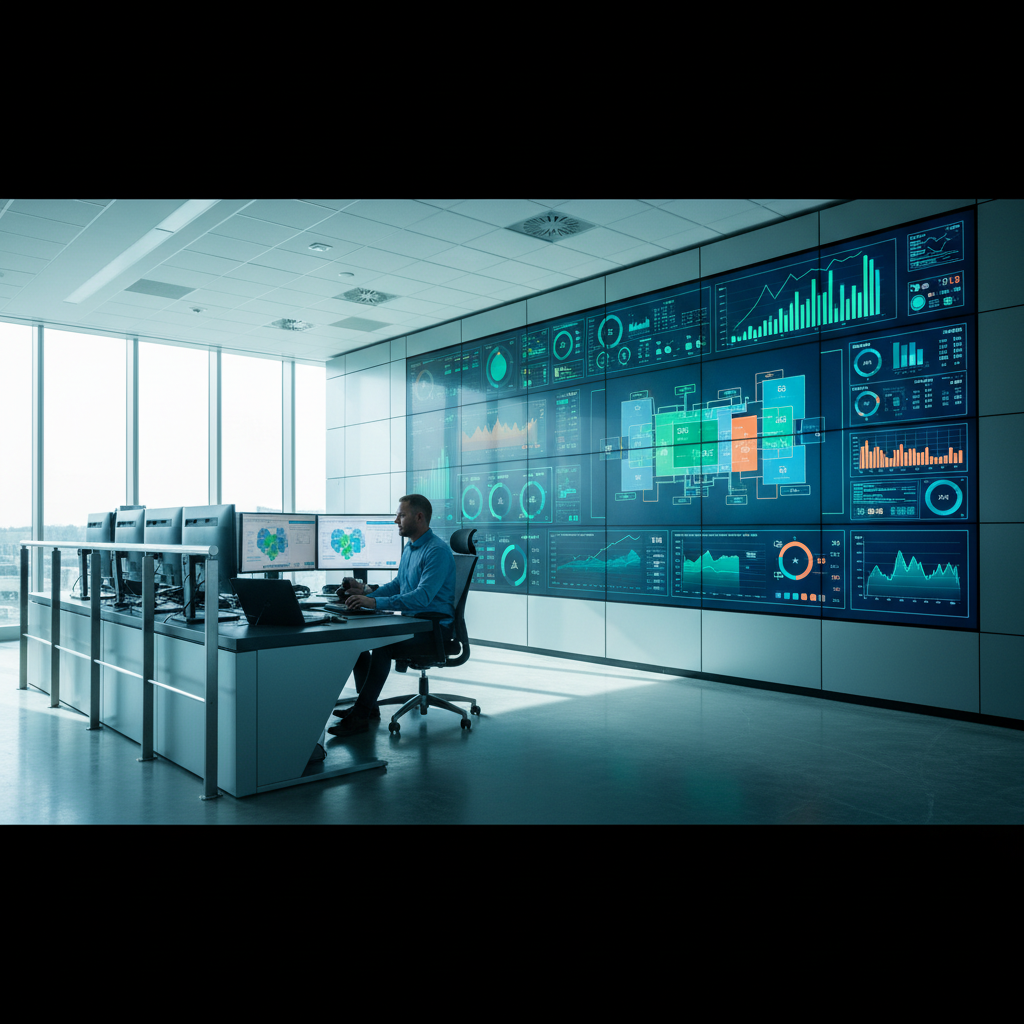
Commercial buildings consume 40% of total energy in the US. Most energy waste comes from systems running at full capacity when they don't need to: HVAC conditioning empty floors, lighting illuminating vacant spaces, and equipment running outside of occupied hours. Building management systems (BMS) exist but are typically configured once and never optimized. ESG reporting requirements are increasing; tenants, investors, and regulators want transparent energy consumption data with reduction roadmaps. Most buildings can't provide this because their energy data is fragmented across utility bills, BMS logs, and sub-meter readings that don't reconcile.
The Proven AI Capability
At a European retail chain, Sensfix detects defective or switched-off lights from camera feeds and monitors equipment operating status in real time. The same monitoring applied to commercial buildings identifies: lights left on in unoccupied zones, HVAC running at full capacity in low-occupancy periods, and equipment operating outside scheduled hours. Combined with IoT energy sub-meters, the platform builds a comprehensive energy consumption profile per zone, per system, per hour.
Applicable Modules
Proven At Scale
| Capability | Where Proven | Building Application |
|---|---|---|
| Digital maintenance workflows + 80% parts reduction | Bay Area automaker | FM work orders, parts tracking |
| Multi-location compliance dashboards | European retail chain | Multi-building portfolio management |
| Floor cleanliness monitoring from CCTV | European retail chain | Lobby, corridor, restroom cleaning QA |
| Fire alarm OCR + inspection digitization | Airport facilities | NFPA 72 compliance automation |
| Audio AI for rotating machinery | Train manufacturer | Elevator, escalator, HVAC health |
| Fluid/leak detection on metal surfaces | Train manufacturer | Plumbing, mechanical room monitoring |
| Equipment operating status from cameras | European retail chain | Energy waste detection (lights, HVAC) |
| Safety zone enforcement | US Gulf Coast port | Construction zones, restricted areas |
Implementation Approach
Phase 1: Quick Wins (30-60 Days)
Deploy on 2 high-impact use cases, typically cleaning QA monitoring + fire safety inspection digitization. Both use existing cameras and smartphones with zero hardware investment, deliver visible results in week one.
Phase 2: Building-Wide Intelligence
Full building operations monitoring under a single annual platform fee. Every system, every floor, every maintenance workflow digitized through one dashboard that building ownership, property management, and maintenance teams all access.